



By Nina Huang
NORTHWEST ASIAN WEEKLY
Walk into bakeries and cafés around Seattle these days, and there’s a good chance you’ll spot an ingredient that many Americans are starting to discover: pandan.
The fragrant tropical leaf, often called the “vanilla of Southeast Asia,” has long been a staple in countries including Thailand, Indonesia, Malaysia, Singapore, Vietnam, and the Philippines. Its naturally sweet, grassy aroma—often described as a blend of vanilla, coconut, and floral notes—has flavored everything from chiffon cakes and custards to sticky rice, jams, and beverages for generations.
Now, pandan is finding new fans in the Pacific Northwest.
Following the popularity of ingredients like matcha and ube, Seattle-area bakers, café owners, and bartenders are introducing pandan through cream puffs, cookies, waffles, milk teas, cocktails, and even Rice Krispies treats. For many Asian-owned businesses, it’s also a way to share flavors that remind them of home while introducing customers to a new culinary experience.
A flavor people didn’t know they were looking for
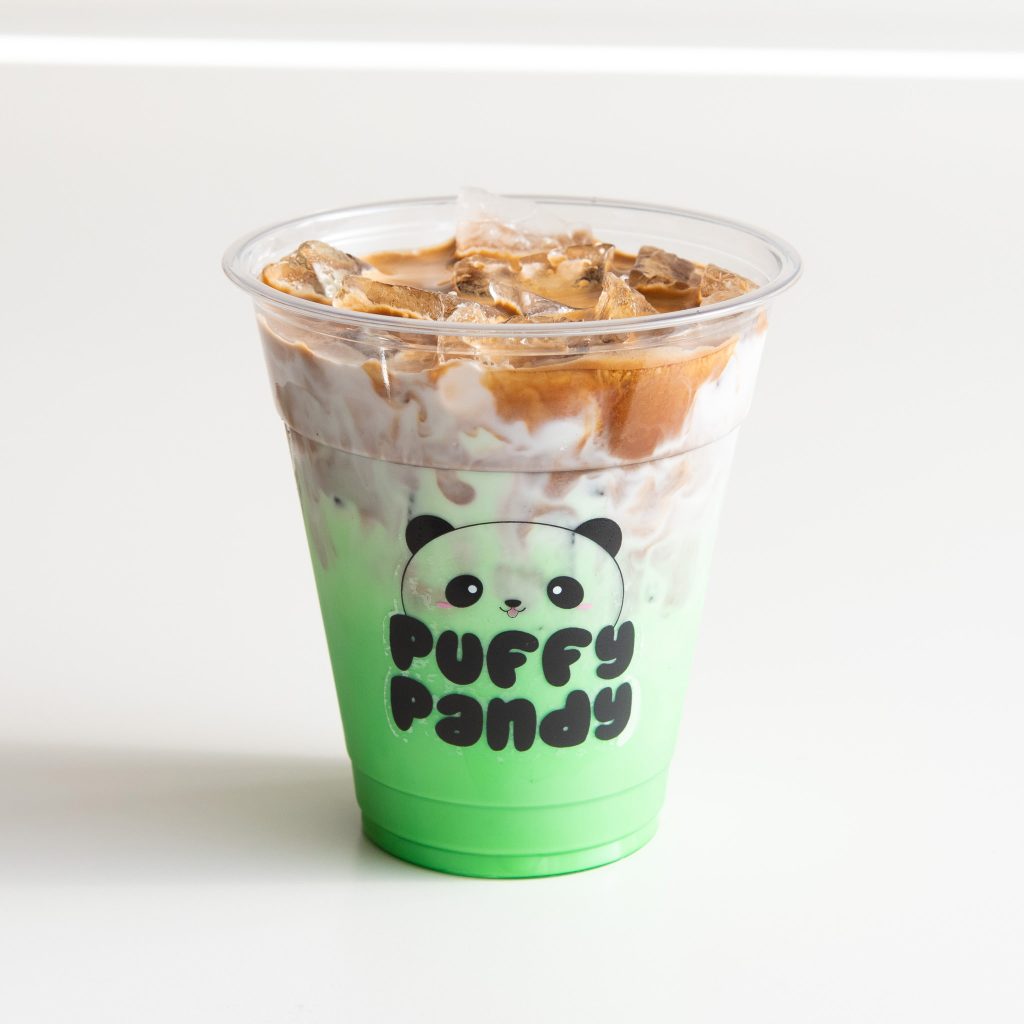
At Puffy Pandy, founder Donna Chan has watched curiosity quickly turn into enthusiasm.
“We started about three years ago, and whenever we bring out pandan cream puffs, people immediately ask what they are,” Chan said.
When customers aren’t familiar with pandan, she often compares it to coconut.
“If you like coconut, we highly recommend it,” she said. “We’ll let people try our pandan ice cream, and they usually love it.”
The Chinese American entrepreneur, who was born in Hong Kong and moved to the United States at age 6, has incorporated pandan throughout her menu—from cream puffs and macarons to pandan milk tea, a drink that stands out from more traditional bubble tea offerings, and a coco pandan latte made with coconut milk and pandan syrup.
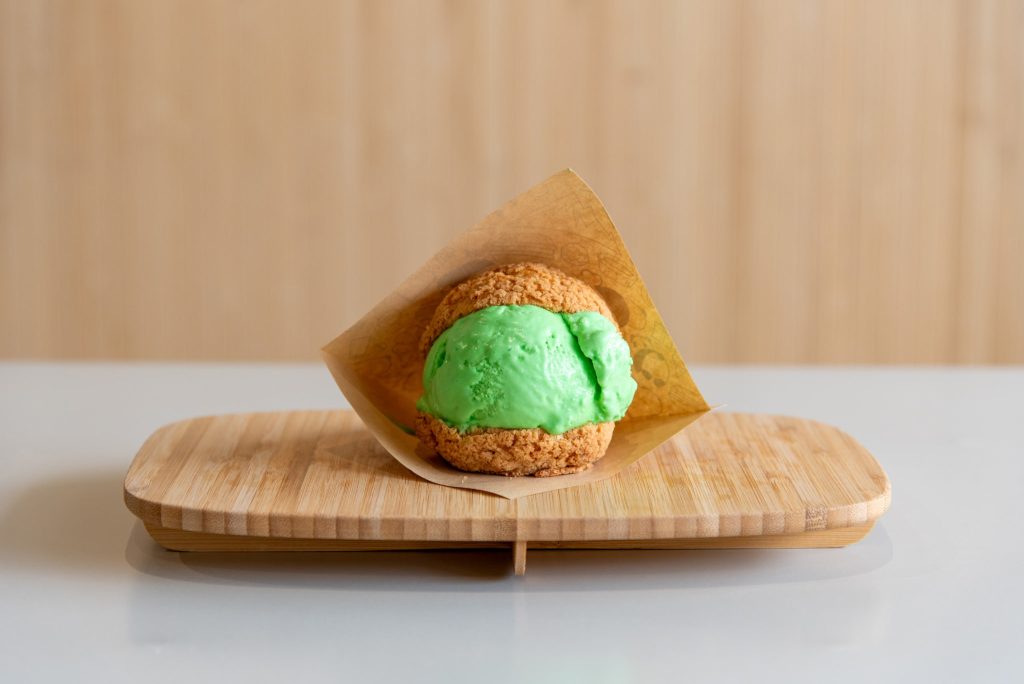
Chan believes pandan’s growing popularity mirrors what happened with ube several years ago.
“Before ube became really big, people didn’t really know what it was either,” she said. “If people like ube, they automatically like pandan because it has that familiar sweetness, though pandan is more coconut-forward.”
Childhood flavors, reimagined
For Chan, incorporating Asian flavors has always been intentional.
Growing up, desserts in her household weren’t overly sweet. Her mother baked every birthday cake, and years later introduced her to macarons. What started as a failed baking experiment became an obsession, leading Chan to spend years perfecting the delicate French pastry before expanding into cream puffs, ice cream, puddings, cookies, and other desserts.
“I always wanted to make desserts that my mom would actually enjoy,” she said. “Growing up Asian, we don’t eat desserts that are overly sweet.”
Today, alongside pandan creations, Puffy Pandy is also known for desserts featuring nostalgic Asian flavors such as White Rabbit candy, including its bestselling White Rabbit cream puff and ice cream.
Bringing Thai tradition to Seattle
At Kanom Sai Café, pandan has never been a trend.
“It’s one of the main ingredients in Thai desserts,” said owner Chutima Huntress, who grew up in
Bangkok.
Before opening her café three years ago, Huntress built a following through catering and farmers markets, introducing traditional Thai desserts to Seattle’s Thai community before expanding to a brick-and-mortar café. The business recently opened a second location in Tacoma.
Fresh pandan leaves are juiced to create vibrant green custards and fillings that appear throughout the menu.
Among the café’s signature offerings are pandan custard milk buns, pandan custard served over honey toast, and traditional Thai desserts featuring layers of coconut and pandan.
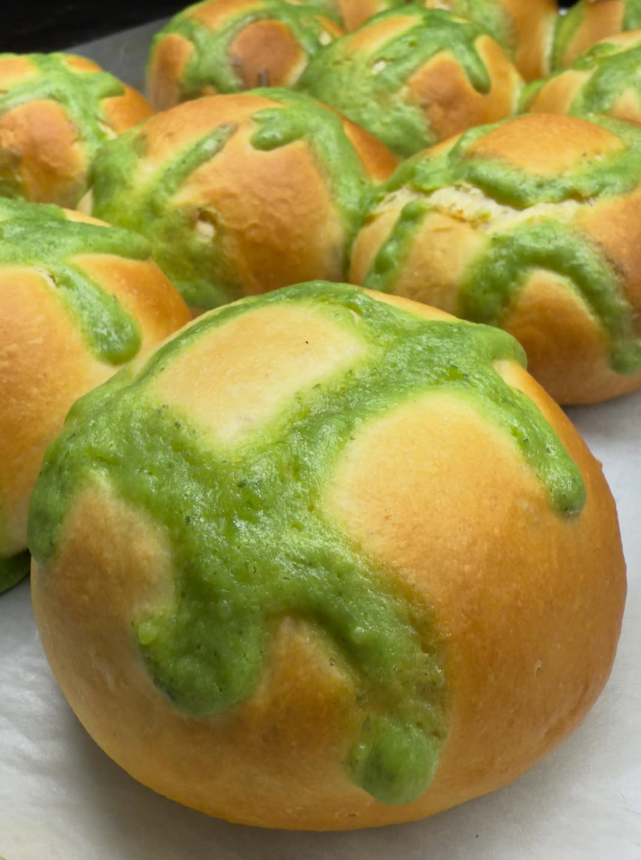
To help customers unfamiliar with the ingredient, Huntress often introduces them through pandan custard.
“It gives people an idea of what pandan tastes like,” she said.
A taste of home
For Indonesian Chinese baker Michelle Chan, pandan represents something even more personal.
Her business, Coco Pandan, began during the COVID-19 pandemic after she found herself craving kaya, the coconut-pandan jam she grew up eating in Indonesia.
Unable to easily find it in stores, she decided to make it herself.
“I had never really baked before,” she said. “I like cooking, but baking wasn’t my thing.”
After successfully recreating kaya, she challenged herself to bake coconut milk buns to accompany it. Friends encouraged her to sell them, and Coco Pandan was born.
Today, her online bakery has become known for pandan-inspired desserts, including pandan layer cake, ondeh cake, kaya jam, and assorted dessert platters that frequently sell out during pop-ups.
Her vegan, gluten-free pandan layer cake remains one of her bestselling items.
“Pandan can’t really be replicated,” Chan said. “It has such a unique flavor, and it pairs so well with coconut. It reminds me of home.”
Where culture meets dessert
For many bakers, pandan’s appeal goes beyond its bright green color or floral, vanilla-like flavor.
It offers a way to share culture, spark nostalgia, and introduce customers to flavors they may have never experienced before.
“It’s bright green, it tastes similar to vanilla except it’s a little bit more floral,” said Vince Vu, owner of Anh Oi Bake Shop, who describes pandan as Southeast Asia’s answer to vanilla.
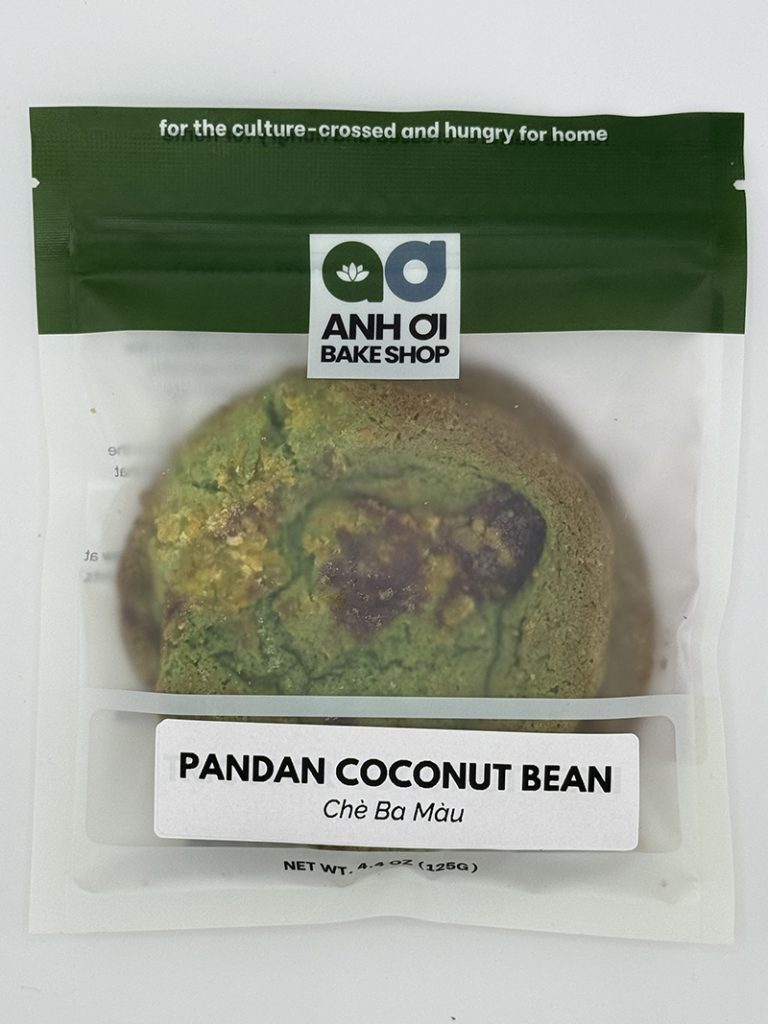
Vu regularly bakes pandan coconut cookies and features the ingredient in rotating desserts such as pandan cream pie. While customers eagerly buy them whenever they’re available, that’s exactly why pandan isn’t a permanent menu item.
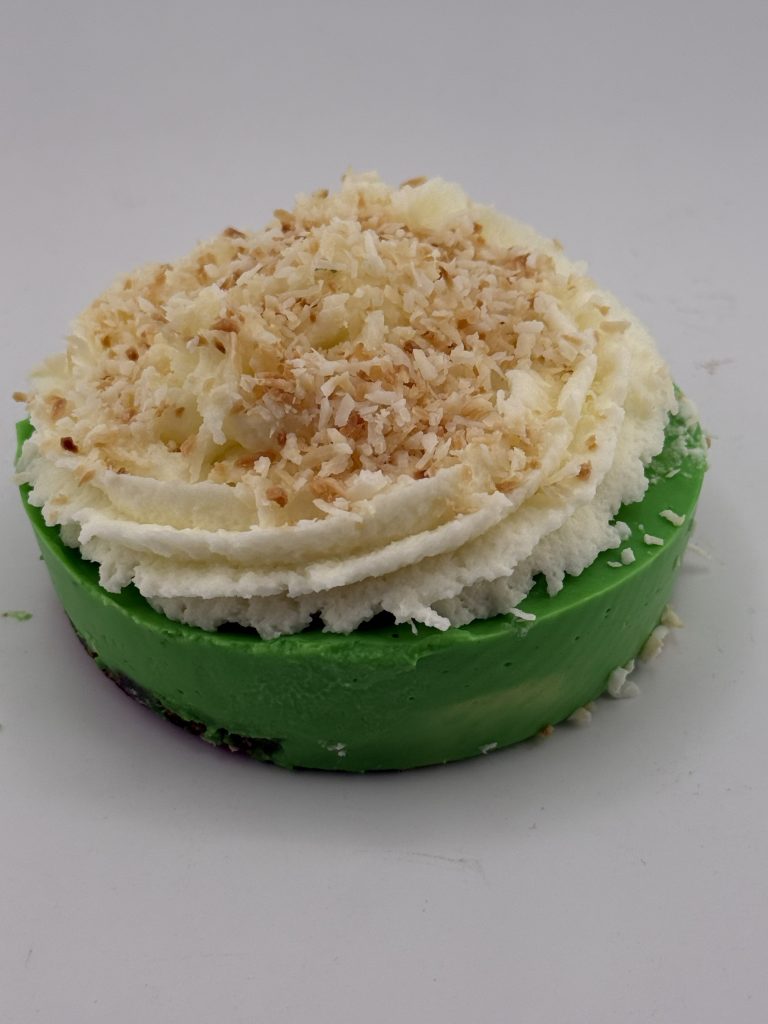
“Whenever I make things with pandan, I can never keep them in stock fast enough,” he said.
A few shelves away inside Anh Oi Bake Shop, Elleevate founder Lanna Lee is using pandan for a different purpose: telling her own story.
Lee, who is of Cham, Vietnamese, and Chinese heritage, created pandan coconut Rice Krispies treats while experimenting with flavors that reflected her community.
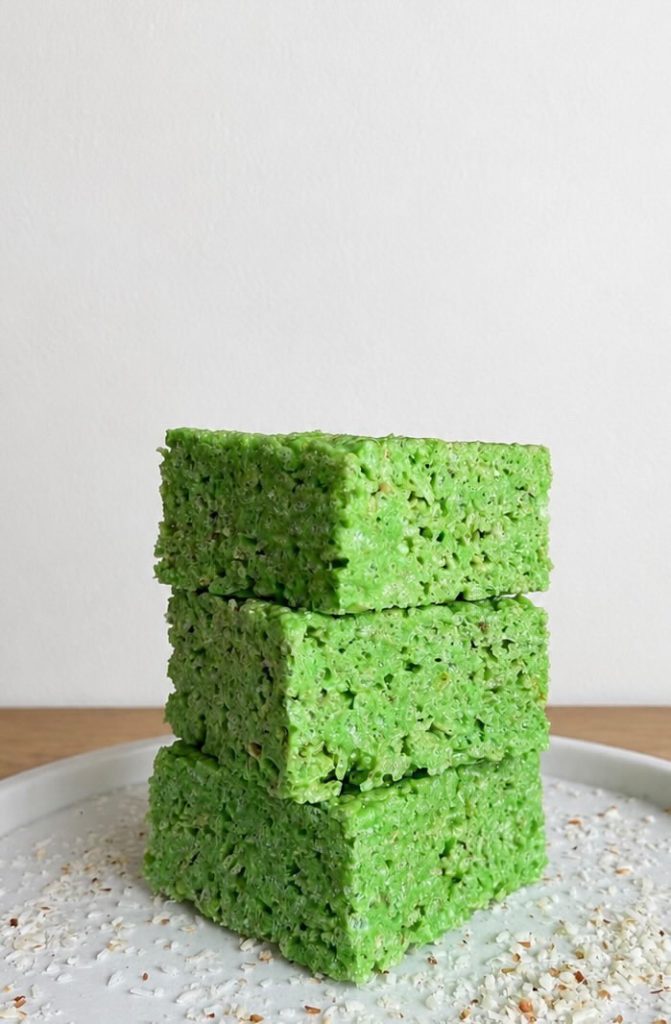
“I wasn’t trying to make something trendy,” she said. “I wanted to take something that reminded me of home and put it into a dessert that felt approachable.”
Growing up, food became one of Lee’s strongest connections to her family’s culture, particularly as she learned more about her Cham heritage.
“Pandan was one of those flavors that always felt familiar to me growing up, even if it showed up in different ways depending on the dessert or household,” she said.
Now, she enjoys watching customers instantly recognize the flavor while introducing others to it for the first time.
“There’s something special about seeing people light up when they recognize a familiar flavor from their childhood,” she said.
Beyond desserts
Pandan is also showing up behind the bar.
At Phocific Standard Time, lead bartender Bishal Pyakurel has spent years experimenting with the ingredient.
After early attempts using fresh leaves didn’t deliver enough flavor, he eventually developed an in-house pandan distillate using fresh leaves blended with hot water.
The result appears in one of the bar’s signature mezcal cocktails, inspired by a hibiscus and mezcal drink he once tried in San Francisco.
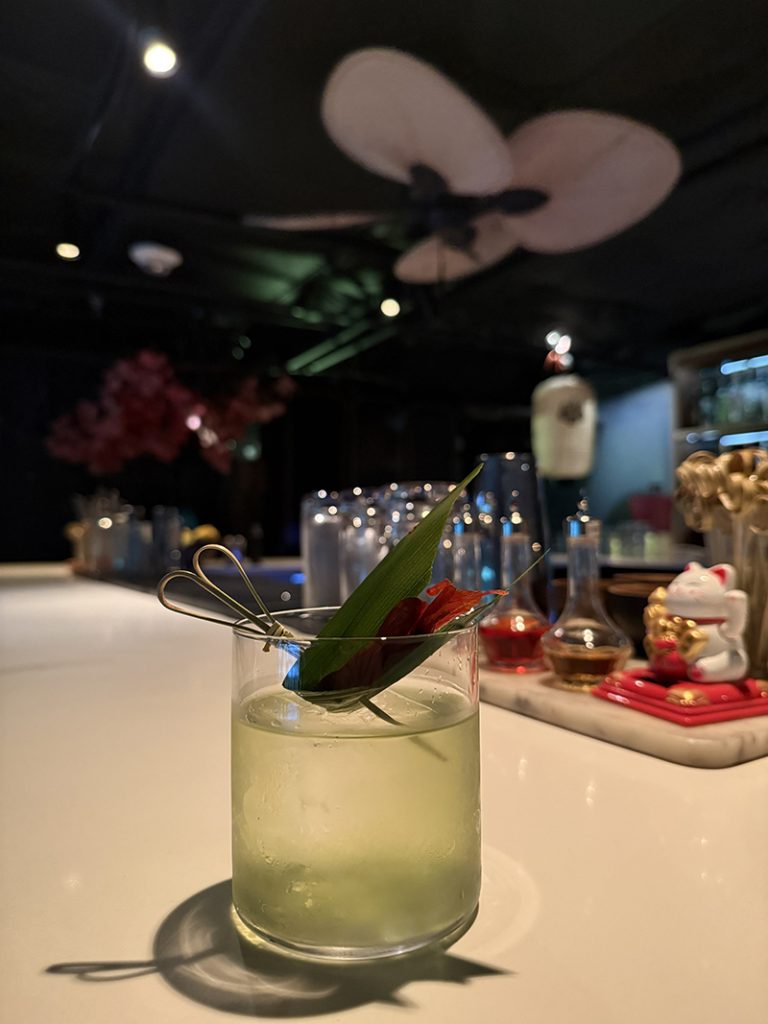
“It’s been a staple on our menu for a long time,” Pyakurel said.
Other Seattle businesses are also embracing pandan in creative ways. Hood Famous Bake Shop serves coconut pandan cheesecake and pandan lattes, while M Cozy Café and The Boat feature pandan waffles, demonstrating the ingredient’s versatility beyond traditional Southeast Asian desserts. Trendy bars, including Paper Fan in Capitol Hill and 1988 Cocktail Lounge in Georgetown, serves up unique pandan cocktails as well.
More than a trend
For many of the people introducing pandan to Seattle, its growing popularity isn’t simply about the latest food craze.
It’s about sharing family traditions, preserving cultural heritage, and creating new memories through familiar flavors.
As more customers discover pandan for the first time, what was once a beloved ingredient across Southeast Asia is steadily becoming part of Seattle’s culinary landscape—one cream puff, cocktail, cookie, and slice of cake at a time.
Nina can be reached at newstips@nwasianweekly.com.