



By Nina Huang
NORTHWEST ASIAN WEEKLY
When Seattle musician Jeseul Oh was searching for a name for his band, he kept returning to one song: “Plash,” by Japanese artist Takako Minekawa.
“It’s kind of my north star song,” Oh said. “We were making lists of names and didn’t agree on anything, but ‘Plash’ felt nice. It’s the name of a song I really love, and it’s also an onomatopoeia for a water splash.”
That mix of emotion, rhythm, and experimentation became the foundation for Plash, one of several Asian American-led bands helping to shape Seattle’s alternative music scene—alongside hardcore outfit Cherub Chains, noise-rock band Llaminate, and shoegaze project Nofloor.
Together, they represent a growing network of Asian American musicians carving out space in genres where they historically haven’t always seen themselves represented.
Finding community through sound
Plash officially formed in late 2024, though its roots stretch back years. Oh and bassist FD Riverhill first met in middle and high school, bonding over indie and rock music as Korean Americans in Seattle.
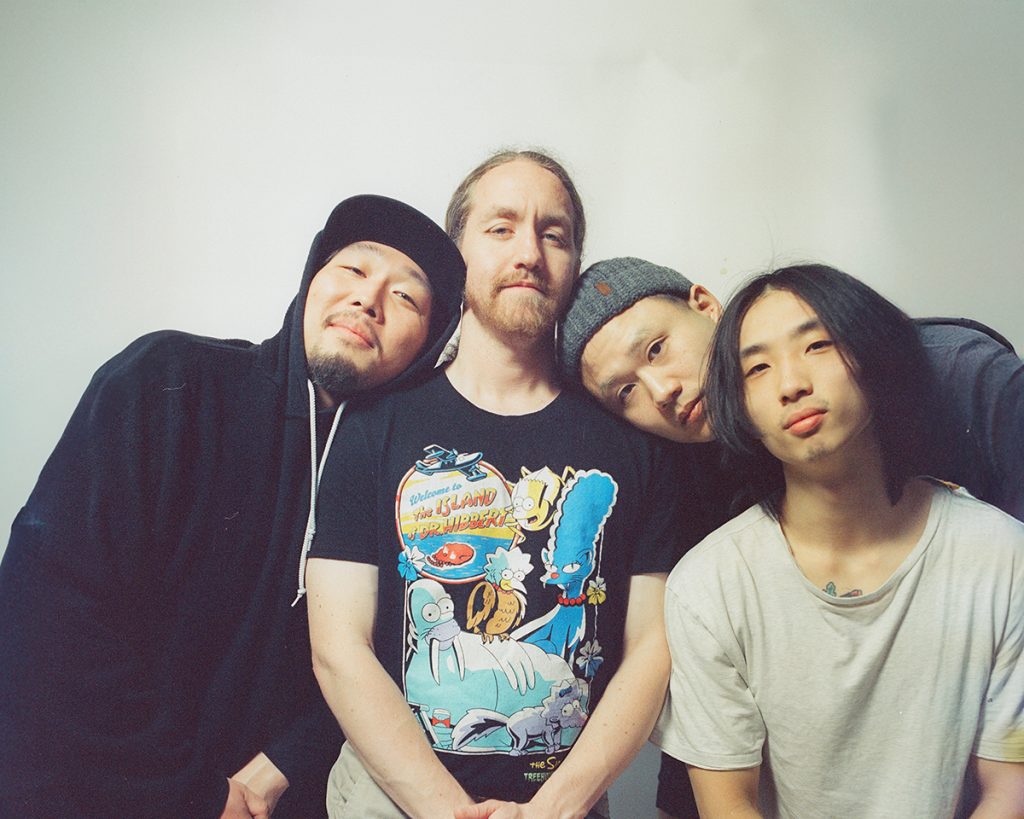
“We didn’t have a lot of people around us who were into similar music,” Oh said. “It was really nice to have FD in my life early on because we could vibe on that level.”
After Riverhill moved back to Seattle in 2019, the two began casually discussing making music again. By January 2025, they were writing songs in earnest and preparing to record an album. The band later recruited guitarist James—a former student of Oh’s—and drummer Luca through auditions.
“We had six to 10 people hit us up,” Oh said. “But with Luca, we knew right away.”
Plash released its debut album on Jan. 23, 2026 through Seattle label Porchlight Records, quickly selling out its first vinyl pressing.
Musically, Oh describes the band as math rock—though he acknowledges the label can sound “cheesy” to some listeners.
“It comes from odd rhythms and time signatures,” he explained. “We borrow a lot from jazz syncopation, but within an indie rock sphere.”
The band’s sound shifts rapidly between softness and heaviness, weaving together delicate melodies, emotional crescendos, and bursts of hardcore intensity.
“What’s valuable to us is sonic diversity,” Oh said. “Moments that are soft and suddenly get heavy, then go back to being pretty or sad. We try to express a lot of emotions in rapid succession.”
Asian artists have heavily influenced that approach. Oh cites Japanese math rock band Toe as an early inspiration.
“I remember hearing them for the first time and thinking, ‘This is a sound I’ve been wanting to hear that I didn’t know existed,’” he said.
More recently, he has drawn inspiration from Japanese electronic artist Cornelius and experimental rock band Deerhoof, fronted by Japanese musician Satomi Matsuzaki.
Relearning identity
Three members of Plash are Korean American, and Oh said many of them spent years distancing themselves from their heritage before reconnecting with it later in life.
“When I was younger, I couldn’t really speak Korean until I was 25,” he said. “Now I’m writing Korean lyrics.”
Writing bilingually came naturally once he embraced the language again.
“I felt like the melodies complemented Korean better than English,” Oh said. “It felt serendipitous—like, ‘Oh, this language is really suited to the music I write.’”
At the same time, Oh said he feels cautious about being framed as a spokesperson for Asian American experiences broadly.
“I’m really proud of being an Asian band in Seattle,” he said. “But I can only speak for myself. There are so many varied experiences within being Korean American.”
Instead, Plash’s lyrics often focus inwardly—exploring identity, post-religious self-discovery, and coming-of-age themes through what Oh describes as “stream-of-consciousness” writing.
“The lyrics are very self-reflective,” he said.
Though the band members don’t aspire to mainstream fame, they hope their music continues reaching listeners who connect deeply with it.
“It’s not the most approachable sound,” Oh said with a laugh. “So when people enjoy it, it feels really special.”
Hardcore with conviction
For Molly Nguyen, music became a way to challenge stereotypes she grew up internalizing.
“Asians have historically been seen as docile, submissive, quiet,” Nguyen said. “Growing up, I was taught to internalize my feelings and not speak out.”
Nguyen, a doctor of physical therapy, spent years pursuing stability before finally starting Cherub Chains in 2024 with drummer and backing vocalist Mitchell Keo.
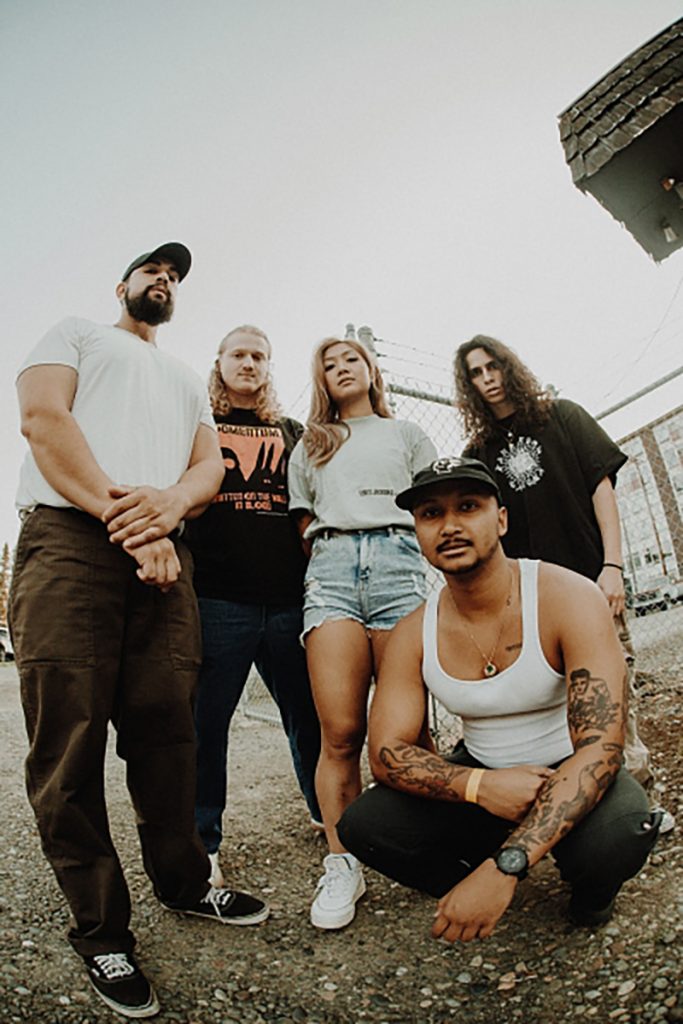
Credit: Joe Calixto
“I always wanted to start a band,” Nguyen said. “But typical Asian parents—they didn’t approve of that.”
The band channels hardcore punk’s aggression and intensity into songs rooted in personal trauma, grief, identity, and political conviction.
“A lot comes from a personal space — what’s happening, intentionality, things that are hard to process,” she said. “Music is my way to process that and I hope others can relate.”
Keo, who is Cambodian American and grew up in Houston, said the band intentionally embraces its Asian identity in a scene where Asian representation can still feel rare.
“We fly Vietnamese and Cambodian flags when we perform,” Keo said. “We take pride in the fact that it’s not very common to see Asians in this subculture. It’s really cool that we take intentionality to rep the fact that we’re Asian and that doesn’t stop the fact that we like to rock out.”
He said his upbringing shaped both his worldview and his connection to hardcore music.
“Being Cambodian American can be such a unique experience,” he said. “We don’t share the model minority that other Asians tend to experience. I grew up in a low-income poor situation.”
“I love a good struggle story where the person comes out successfully,” he added. “I love that Cherub Chains feels like underdogs.”
Nguyen said the band’s performances are rooted in emotional honesty and intentionality. In fact, she has also begun incorporating Vietnamese lyrics into the band’s music as she reconnects with her heritage.
“It took until a couple years ago for me to really appreciate where I come from,” she said.
The two first crossed paths at Philadelphia’s This Is Hardcore Fest in 2016 before reconnecting online and eventually forming both a relationship and a band together.
Their influences range from Paramore and Hayley Williams to hardcore and skateboarding culture.
Keo said sobriety became an important part of his life through skateboarding communities that emphasized discipline and clarity.
“This past year I really rediscovered that,” he said. “I’ve held sobriety strong for 2026.”
Cherub Chains plans to release its debut EP later this year and recently returned from a California tour.
Nguyen hopes one day the band can perform in Vietnam, where she said the hardcore scene is still developing.
“I think it would be powerful to have a Vietnamese female vocalist speaking about these issues there,” she said, referencing conversations around harassment and inclusivity within local scenes abroad.
Building a sense of belonging
For Filipino American musician Ben Rea, who performs under the pseudonym “Jealous Yellow,” music became a way to search for belonging.
“You visit family and you’d be white, but then at school you wouldn’t be,” Rea said. “People thought I was Mexican or Brazilian.”
Rea, who grew up in Kent and now teaches music in the Seattle area, said that uncertainty shaped both his identity and his songwriting.
“A community didn’t really come easy,” he said. “I had to find it.”
That search eventually led him to Llaminate, a band formed from the remnants of several earlier projects around 2016.
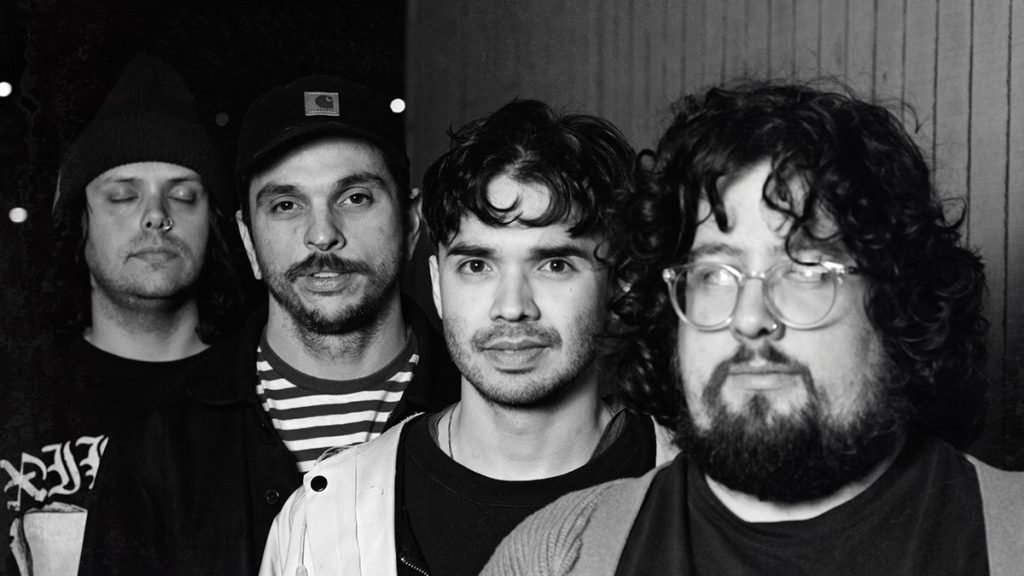
Credit: Alfredo Arnaiz-Sibila
Their music swings between softness and abrasiveness.
“It’s very soft and somber at times, and very extreme and potent at others,” Rea said. “It’s kind of bipolar in that way.”
His influences range from DIY indie artists like Guided by Voices and Cleaners from Venus to Filipino American Grammy winner Larry Ramos.
“When I learned he was the first Asian person to win a Grammy, it made me feel like I could do it, too,” Rea said.
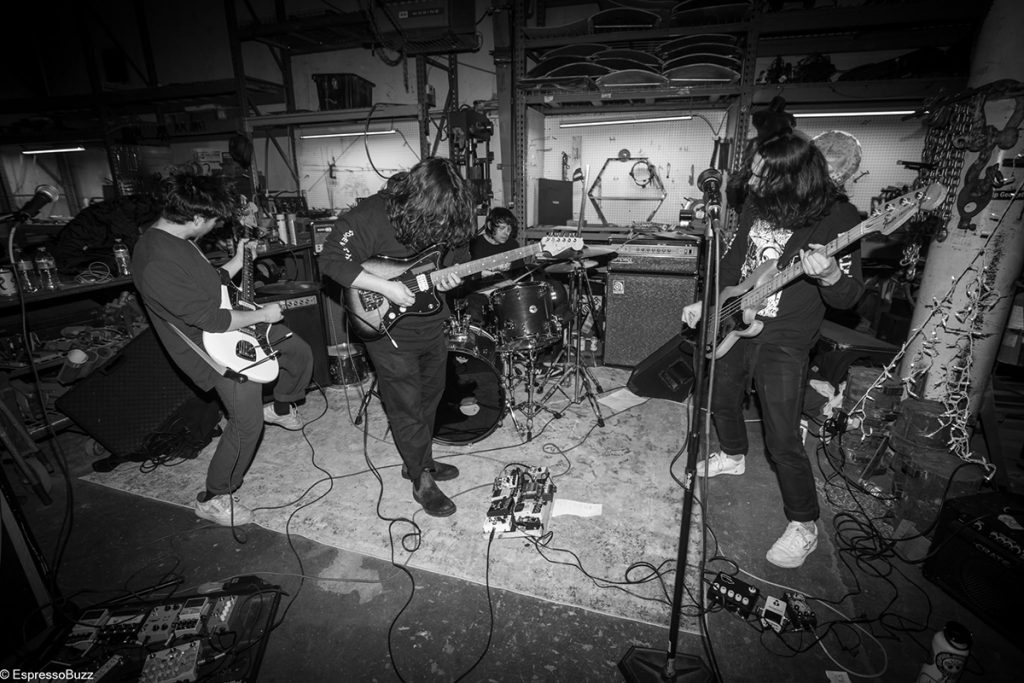
Credit: Alfredo Arnaiz-Sibila
Beyond performing, Rea said teaching has become central to his purpose as a musician.
“It’s a dream job,” he said. “Helping students realize their own aspirations while seeing a teacher actively doing music for a living.”
‘Support local music and community’
Members of Seattle shoegaze band Nofloor echoed similar themes of identity, collaboration, and community.
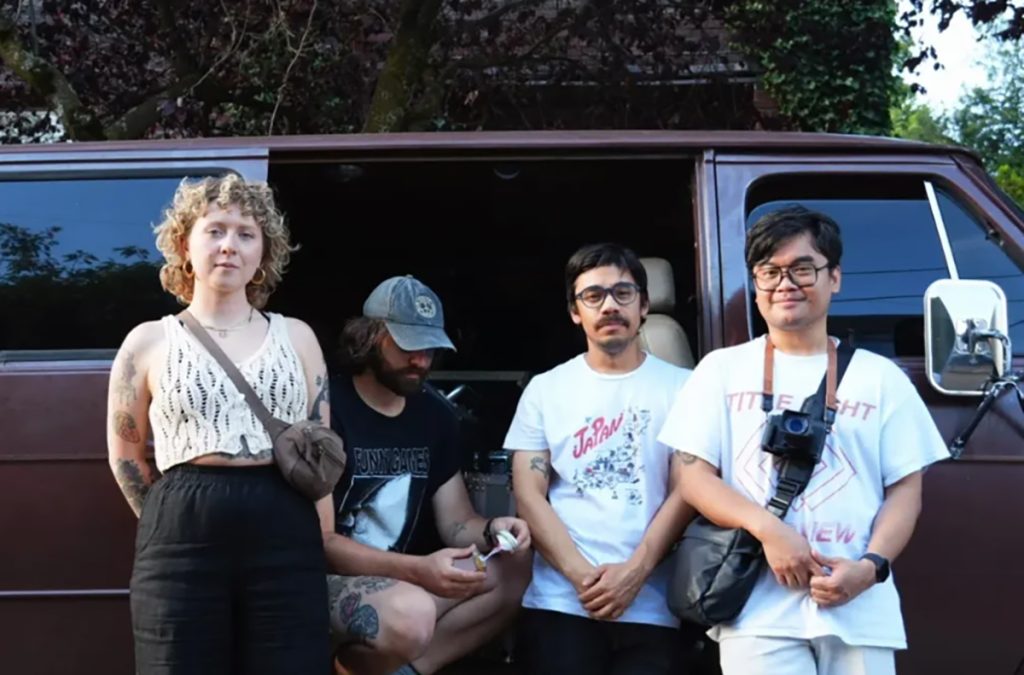
Drummer Tim Nicholson said recognizing pride in his Filipino identity came later in life after finding artistic communities that encouraged self-expression.
“Finding environments filled with other artists helped a lot,” Nicholson said.
Guitarist and vocalist Erick Rufon said Filipino hospitality shaped his musical upbringing. As a teenager, he spent weekends practicing in friends’ garages while being welcomed by their families.
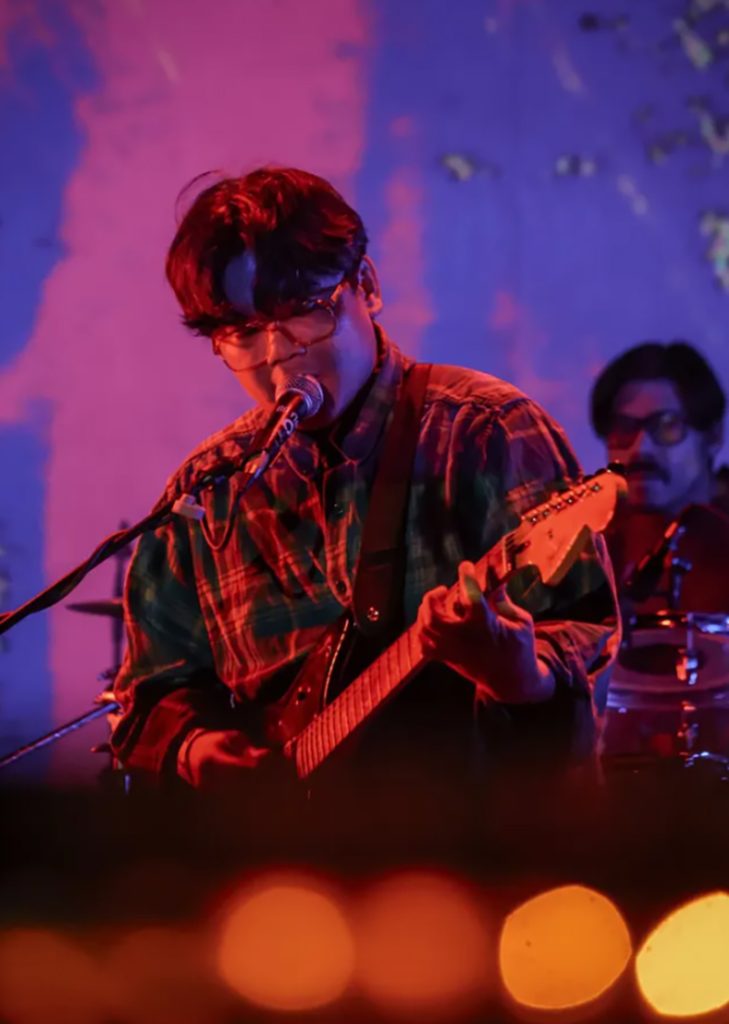
Credit: @houndsoflovephoto on IG
“I honestly don’t think I’d be making music today without that time in my life,” Rufon said.
Nofloor is currently preparing for a West Coast tour and an upcoming EP release, while also collaborating on self-produced music videos.
Despite their stylistic differences—from math rock and shoegaze to hardcore punk and noise rock—the musicians interviewed shared a common emphasis on authenticity and community over commercial success.
“If you like art, support artists,” Nicholson said. “Support your community. Have more conversations in real life.”
Seattle audiences will have several opportunities to see these bands together later this month, including a May 23 show at The Funhouse featuring Plash, Nofloor, and Llaminate, and a May 29 Asian American and Pacific Islander showcase at The Vera Project featuring Plash and Cherub Chains.
For many of the artists, those shows represent something larger than music alone.
“It’s more than being angry and screaming,” Mitchell said. “The passion comes from a deep and intentional place.”
To learn more, visit the bands’ Instagram accounts:
Nina can be reached at newstips@nwasianweekly.com.