




 Seattle-based Tasveer is set to take one of the world’s most prominent film festival stages this month, becoming the only South Asian organization to host an official panel at the 2026 Marché du Film in Cannes.
On May 19, Tasveer will present “Reimagining Global Pathways and Financing for Stories That Travel,” a discussion bringing together leaders from film, technology and entertainment analytics to talk about the future of South Asian storytelling and how it can reach wider global audiences.
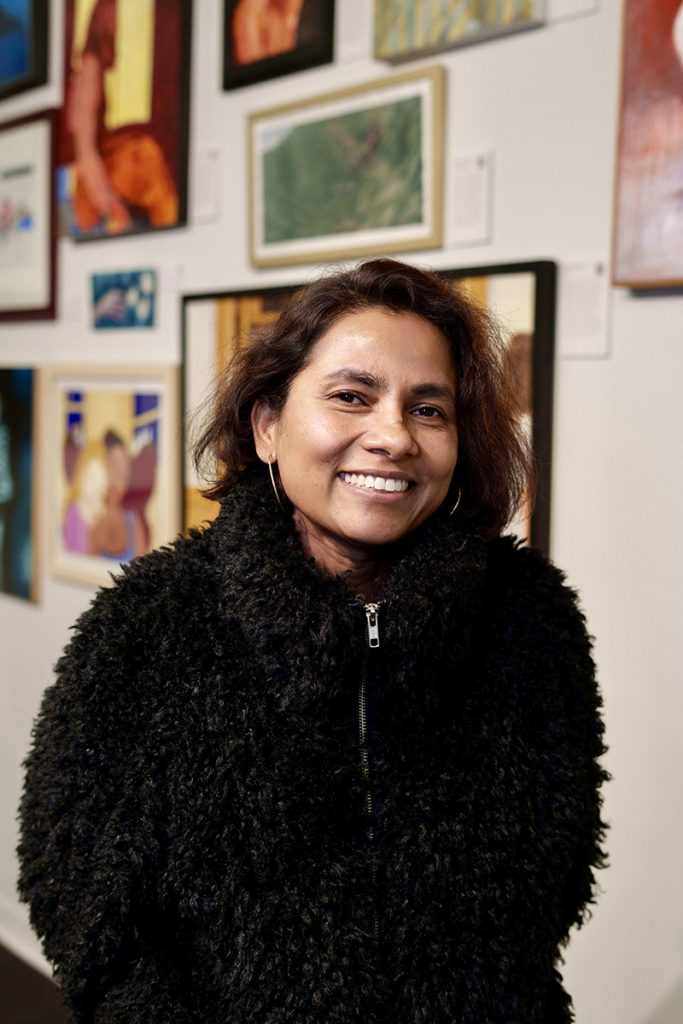
Rita Meher, co-founder and executive director of Tasveer
The panel will be moderated by Tasveer co-founder and executive director Rita Meher and feature Arathi Sethumadhavan of Google, Anjana Gopakumar of South Stack Studios, Academy Award-winning producer Guneet Monga Kapoor of Sikhya Entertainment and Jaime Otero of Parrot Analytics.
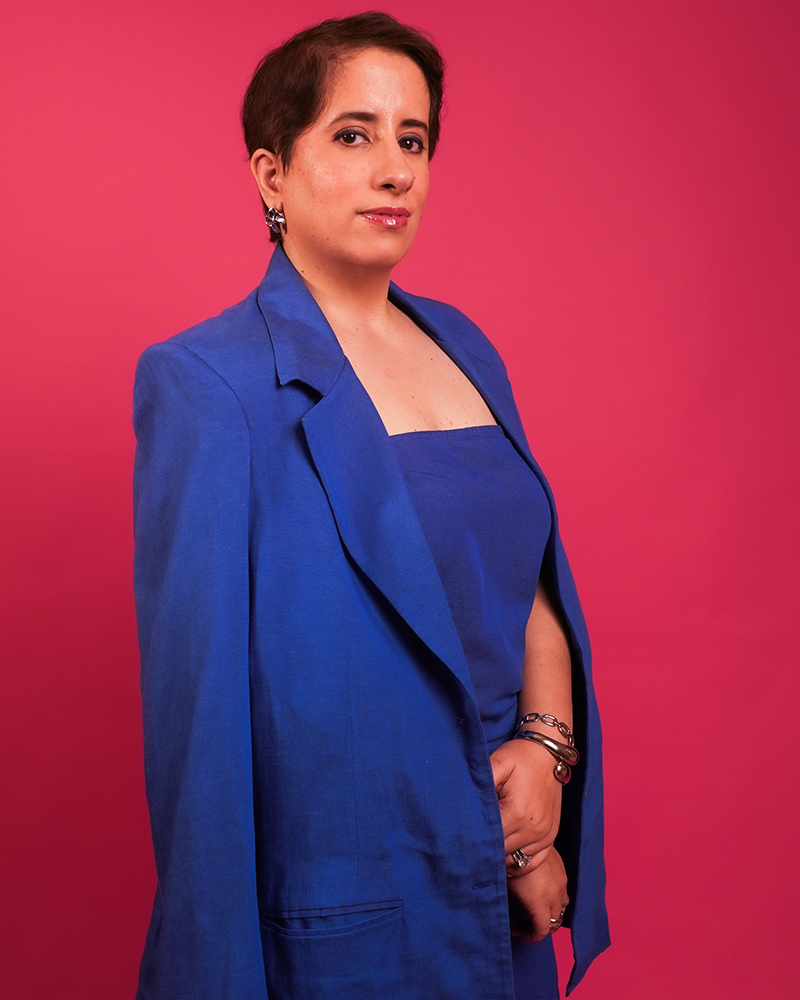
Guneet Monga Kapoor, Academy Award-winning producer and founder of Sikhya Entertainment.
The event will focus on international co-productions, financing opportunities and the growing role of artificial intelligence in filmmaking.
“At Tasveer, our vision has always been to inspire social change through thought-provoking South Asian films, art, and storytelling,” Meher said. “As global audiences increasingly seek authentic, diverse narratives, it is imperative that South Asian voices are not only represented but are shaping the discourse.”
Otero said industry data increasingly shows global demand for stories from South Asia.
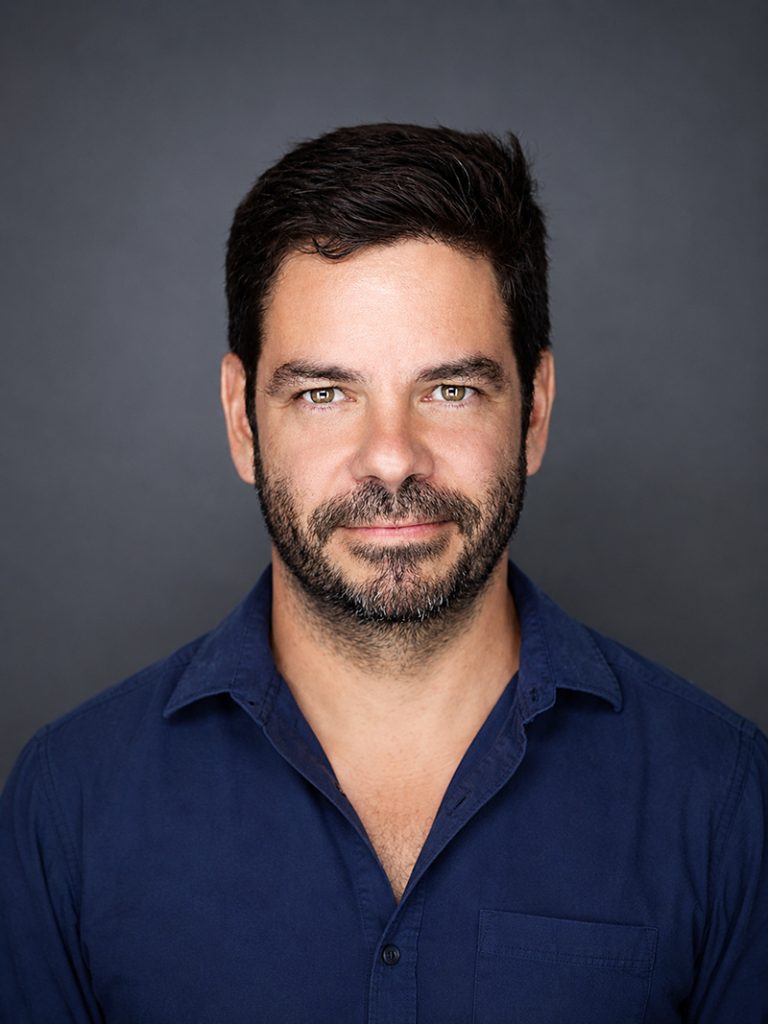
Jaime Otero of Parrot Analytics
“For too long, content investors have evaluated global audience demand through a disproportionately Western lens, often leaving valuable IP under-monetized,” Otero said. “What our data now reveals with increasing clarity is that storytelling … particularly in South Asia, (Middle East and North Africa) and Latin America commands genuine global resonance and measurable financial upside.”
“We are witnessing a decisive shift where authentic, culturally rooted stories are no longer peripheral but central to the global content landscape,” Kapoor said.
Sethumadhavan said emerging AI tools are already changing how films are made and distributed, particularly in multilingual markets like South Asia.
“We are at an inflection point where AI is not just enhancing creativity but fundamentally reshaping the economics and accessibility of filmmaking,” she said.