




By Carolyn Bick
NORTHWEST ASIAN WEEKLY
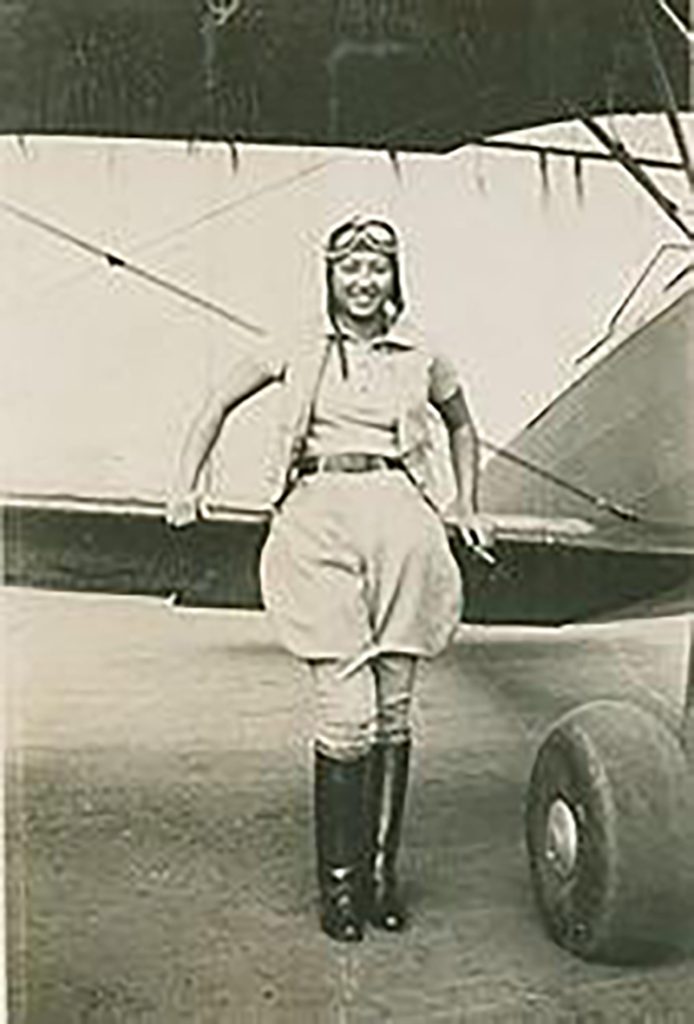
Courtesy of Susan Tate Ankeny
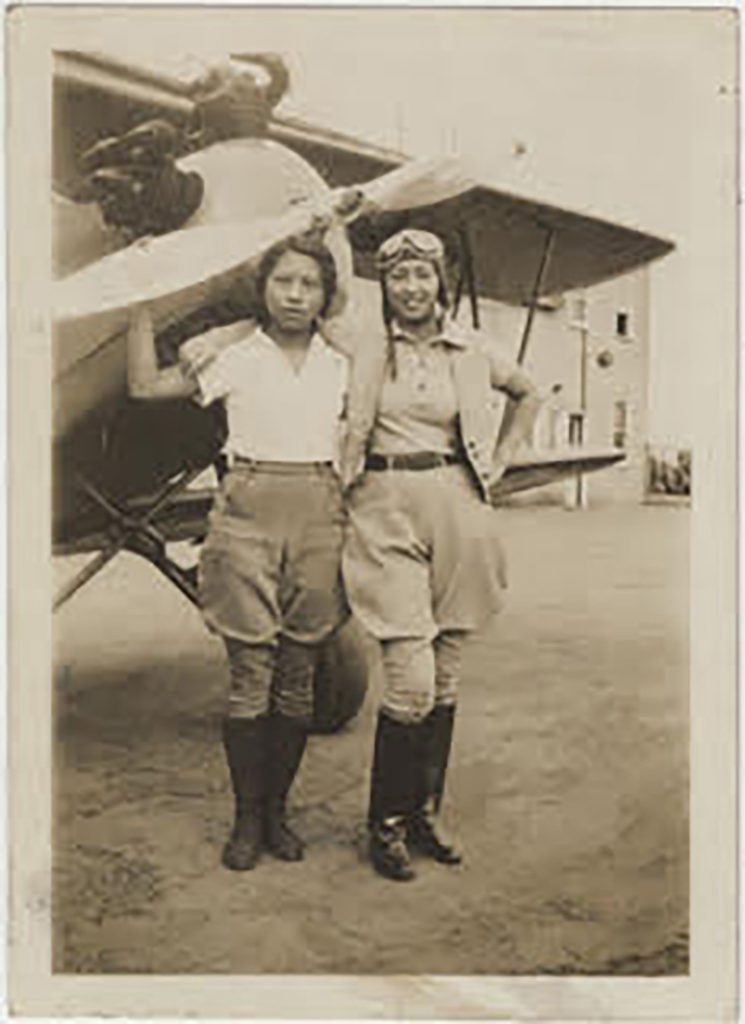
The first picture Susan Tate Ankeny saw of Hazel Ying Lee was of Lee “dressed all in flight garb, and her goggles, and she’s holding a cigarette, and she just looks badass.”
“That was the first picture I saw of her, and I just honestly fell in love with her—just the look on her face, and the way she’s standing by her plane, and the pride, and also the fact that she’s an Asian American woman in the era,” Ankeny remembered. Ankeny is the author of the 2024 book, “American Flygirl,” a biography about Lee. “I thought, ‘How did this woman get from birth to here?’ … And then, ‘What happened to her after that?’”
Ankeny is bringing the story of the trailblazing aviator to a local audience, with a May 27 event at Eagle Harbor Book Co. on Bainbridge Island, as part of AANHPI Heritage Month programming.
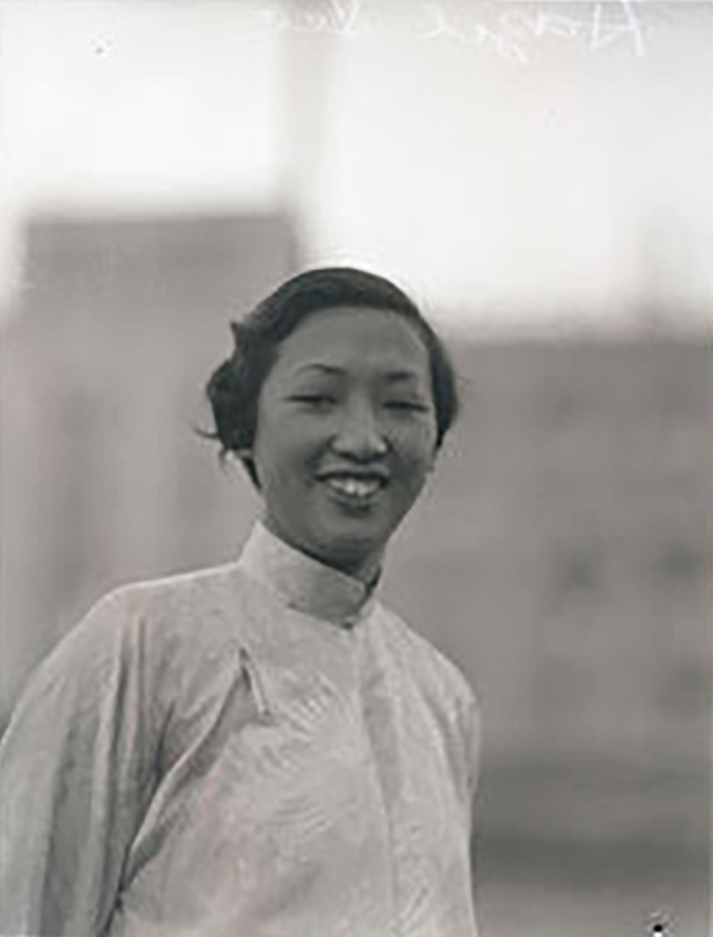
Courtesy of Susan Tate Ankeny
Adventurous, boisterous, and brash—and a role model
Born in 1912, when anti-Chinese sentiment was legally baked into American law via the Chinese Exclusion Act—which was only repealed one year before her death—Lee managed to break through barriers of both racism and sexism to become the first Chinese American woman to fly for the U.S. military, and one of the first Chinese American women to earn her pilot’s license.
Lee has since both posthumously received the Congressional Medal of Honor for her service as a Women Airforce Service Pilot (WASP) and Oregon’s Aviation Hall of Honor inducted the Portland-born aviator in 2004. In 2003, PBS aired a special documentary about her, and just last year, the Delaware Opera performed composer and writer Derrick Wang’s Fearless, an opera about Lee.
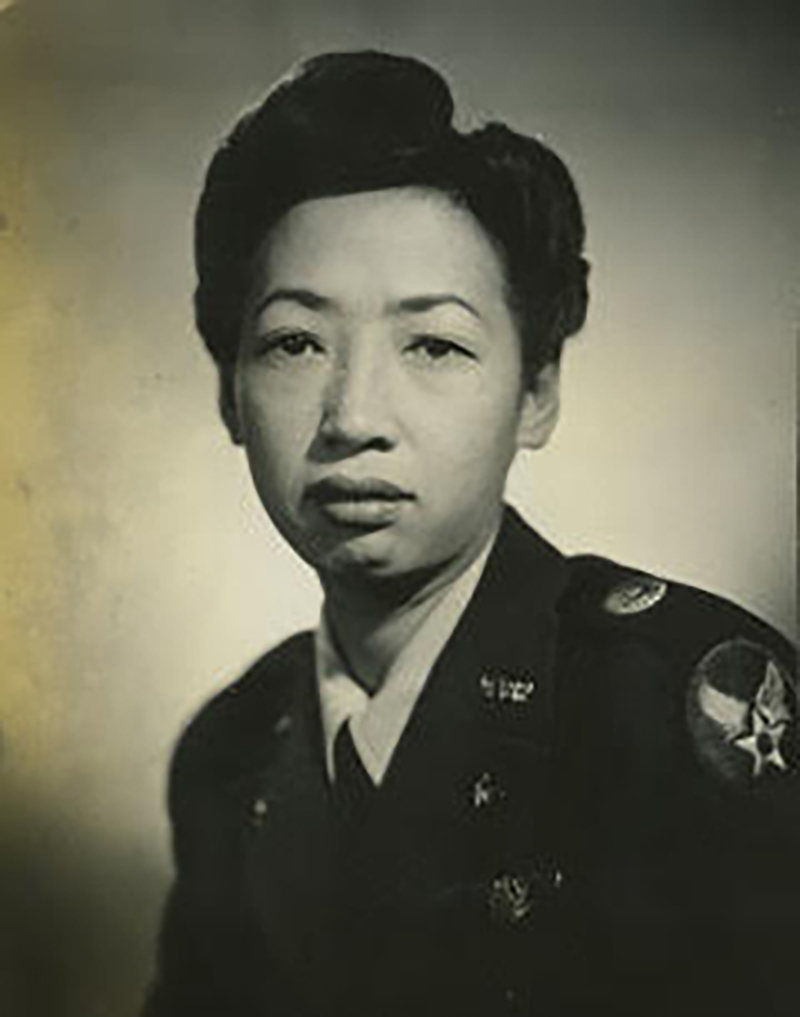
Courtesy of Susan Tate Ankeny
Lee has garnered precious little public attention and only a few books about her exist. When Ankeny began her nine-month tear researching and writing about Lee, she essentially had to construct her book from epistolary material about and by Lee, and one out-of-print book Ankeny managed to get her hands on, fellow WASP Kay Gott’s “Hazel Ying Lee: Women Airforce Service Pilot,” published in 1996.
One place Ankeny from which sourced her material was Texas Women’s University WASP archive, which has preserved thousands of documents, including photographs and letters.
“One roommate of Hazel’s wrote home every day, and so she talked about Hazel. I knew what they were eating. I knew the antics that Hazel was [getting up to],” Ankeny said. “It was difficult in that there was so much, and I couldn’t know who was going to talk about Hazel in the letter, so I read all of the letters of anybody that was at Sweetwater[, Texas], while Hazel was there.”
“Her personality comes through in the letters that people wrote about her, and the things that she wrote also about herself,” Ankeny continued, “so I was really, really lucky to get that call to be asked to write this.”
Lee was “born adventurous,” Ankeny said, doing things girls—especially ones from Chinese American families—were not supposed to do.
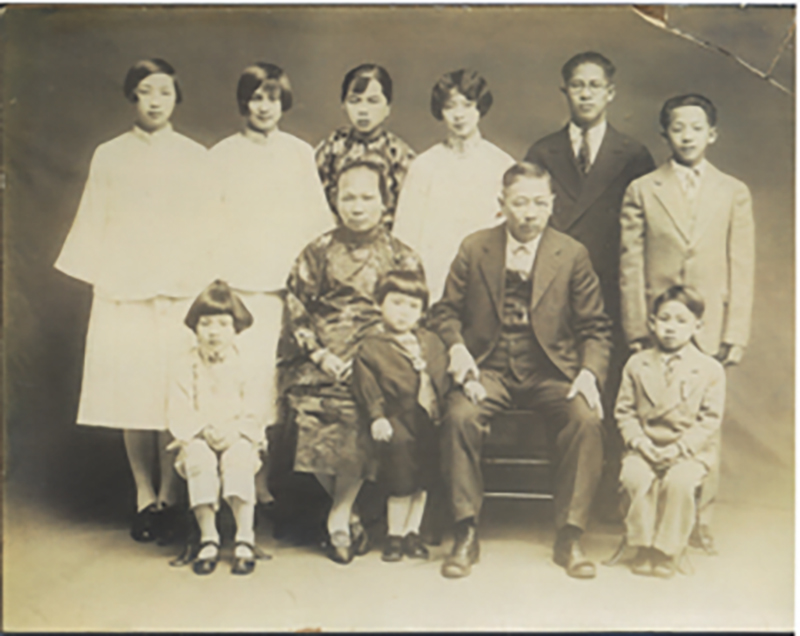
Courtesy of Susan Tate Ankeny
“She was born adventurous. Right from the beginning, she did things that girls ‘shouldn’t’ do. Her mother was exasperated because she’d be racing the boys down the street and winning,” Ankeny said. “Girls just didn’t do that. Girls were supposed to stay on the sidelines.”
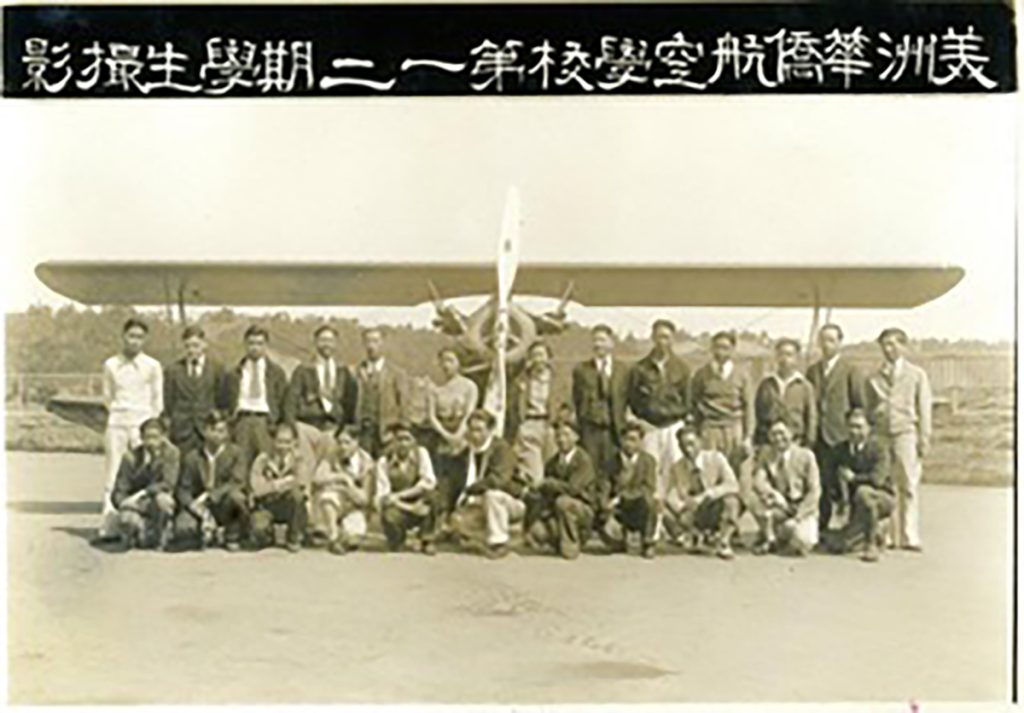
But Lee didn’t stay on the sidelines. When she was in her late teens, she learned about aviation, which then was “all the rage” in Portland—and when a friend asked her to go to an air show, she enthusiastically accepted.
“And the pilot came up after doing some stunts and said, ‘Do you want to ride for free?’” Ankney said. “She went up in this open cockpit, little biplane, and had quite a ride with this pilot. When she landed, she was like, ‘I’m going to do whatever I have to do.’ She had to work hard to earn the money to take lessons to be a pilot.”
Courtesy of Susan Tate Ankeny
Gott wrote her book after Lee’s death. The book recounts an evening the women spent together, drinking beer, playing pool, and talking. Gott wrote the book from her memory of Lee’s own words. The book exemplifies how different Lee was—and that nothing would keep her down.
“She was brash, and she smoked cigars, and she played pool, and she [drank] whiskey,” Ankeny said. “And at that time, women didn’t do those things, and so when women met her, she became … a role model to them in things that they were doing that their mothers wouldn’t let them do—but Hazel was doing it, so she led a lot of women into being more open and having fun and being free.”
The word, “No,” meant nothing to Lee, Ankeny continued, especially when it was a “no” based on her race, gender, or both.
Courtesy of Susan Tate Ankeny
“She was just kind of like, ‘Well, I’m going to do it anyway,’” Ankeny said. “And not in the way I would do it—I’d probably be angry and go in there like a bear. She would just kind of laugh it off and say, ‘Oh, well, I’m going to do this anyway.’ … She didn’t fight militantly for anything that she got. It was pure perseverance, and she did have some lucky breaks, but still, she was there. … She was an extremely hard worker … [and] dedicated to flying and flying for the United States military.”
Determination in the face of discrimination
Ankeny started with one idea of the book in her head, and ended up with quite another. Before starting the book, she didn’t know about Lee’s personality and her refusal to take “no” for an answer. But more than that was her sheer will and determination, even in the face of overt, legally sanctioned racism.

Courtesy of Susan Tate Ankeny
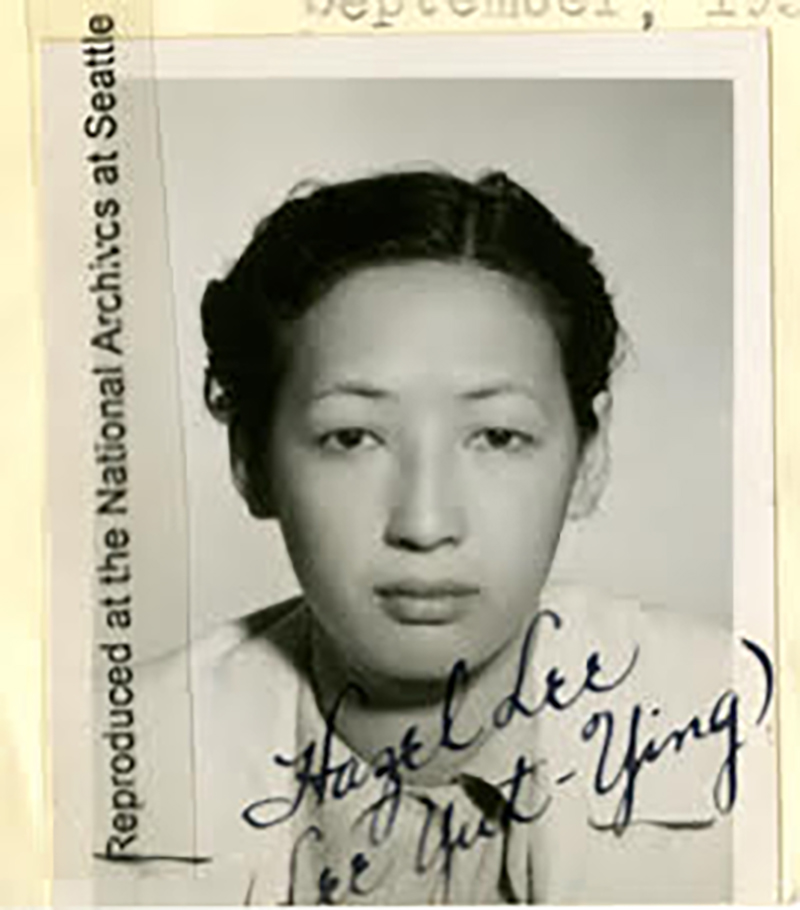
“What makes [Lee’s story] big and surprising is her determination, the way she reacted to discrimination—I mean, very blatant, horrible discrimination—and by the end, see what happens to her when she’s in service to her country, a country that doesn’t like her, that thinks she is wrong, and they want her to be out of sight,” Ankeny said. “She and her family were to be kept in Chinatown. They were not to be seen outside Chinatown. There were all kinds of regulations and discriminations placed against them. She couldn’t go to school with white children, so they built special children to get around the Constitution, who were just Chinese American kids. This is her whole life, and then she wants to fight for her country.”
Courtesy of Susan Tate Ankeny
Lee’s life was cut short, after she died in a collision with another plane. The collision was primarily due to the other plane’s pilot, who chose to fly with an inoperative radio, and was therefore unable to hear landing instructions. Because of this, he landed on top of Lee’s plane.
But despite her untimely death, Lee ended up being one of the best pilots the U.S. had at the time. When she agreed to do the book, Ankeny didn’t know that.
“I didn’t understand what it meant for these women to want to fly in a war, in battle,” Ankeny said. Before, she said, she might have even been more inclined to agree with people who said that women should just stay in the U.S. for work at that time. “It completely flipped me over to the other side—it’s ridiculous that these women weren’t flying in battle and ending the war sooner, and all these things that we could have done[, but didn’t get to,] just because they were women. It frustrated them. They wanted to help. … Hazel dies in service to her country and never gets to see battle. She would have been an amazing pilot in battle.”
The months Ankeny spent researching and writing about Lee fundamentally changed her. While she didn’t go into details, Ankeny agreed to do the book at the “worst time of my life,” and during the beginning phases of the pandemic.
“I looked at Hazel … and thought, ‘If Hazel could do that, I can do this,’” Ankeny remembered. “I think there is a quiet strength and perseverance that she demonstrated that all of us could not only admire, but that we could use right now. We are screaming into the void about discrimination and things that are happening right now in our country and in the world, and the way Hazel did that—the way Hazel protested silently, non-violently, and yet still just kept moving on, moving forward, moving forward, changing things, breaking down barriers—we can all do that.”
Susan Tate Ankeny will be speaking about her book, “American Flygirl,” at Eagle Harbor Book Co. on May 27 at 6:30 p.m., as part of the Asian Arts & Heritage Festival on Bainbridge Island. Readers can find more information here.