



By Carolyn Bick
NORTHWEST ASIAN WEEKLY
As Seattle prepares to welcome the FIFA World Cup, police and fire department raids on Asian massage parlors across King and Pierce counties have surged. More than 50 businesses targeted in a sweeping crackdown that advocates say revives a long history of racist policing under the guise of public safety.
In an historic move, the MLK Labor Council passed a resolution last week standing in solidarity with Asian massage parlor workers and condemning the raids.
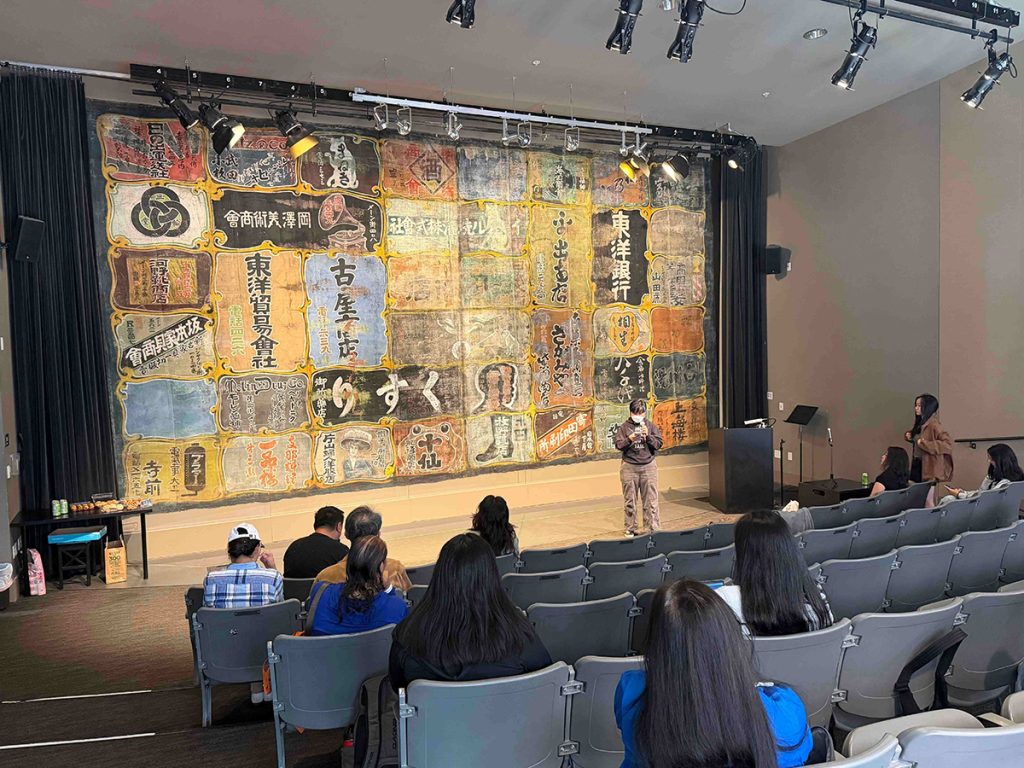
J.M. Wong (Courtesy of MPOP)
Speaking at a May 28 news conference at the Wing Luke Museum, organized to support Massage Parlor Organizing Project’s (MPOP) active Safety Not Stigma campaign, MPOP member J.M. Wong drew the distinct connection between the anti-Chinese riots that forced Chinese people out of Seattle and Tacoma in the 1880s.
“The violence that raided the homes of our ancestors in the wee hours of the night and that set their homes on fire to expel them from the city was a pattern of white supremacist violence that stretched along the West Coast,” Wong said. “It was not looked at with shame, but with pride by the anti-Chinese vigilantes and the state, so much so that it had a name, the Tacoma Method, to celebrate the ingenuity of the expulsion of Chinese people.”
A few years later, the United States enacted the Page Act, which was primarily used to target Asian women, using stigmatizing language and claims that they were sex workers. That stereotype continues to this day—and it’s part of why MPOP and the Asian Pacific American Labor Alliance (APALA), which initiated the MLK Labor Council’s resolution, believe that King County’s and Pierce County’s police and fire departments have started raiding so many Asian-run massage parlors.
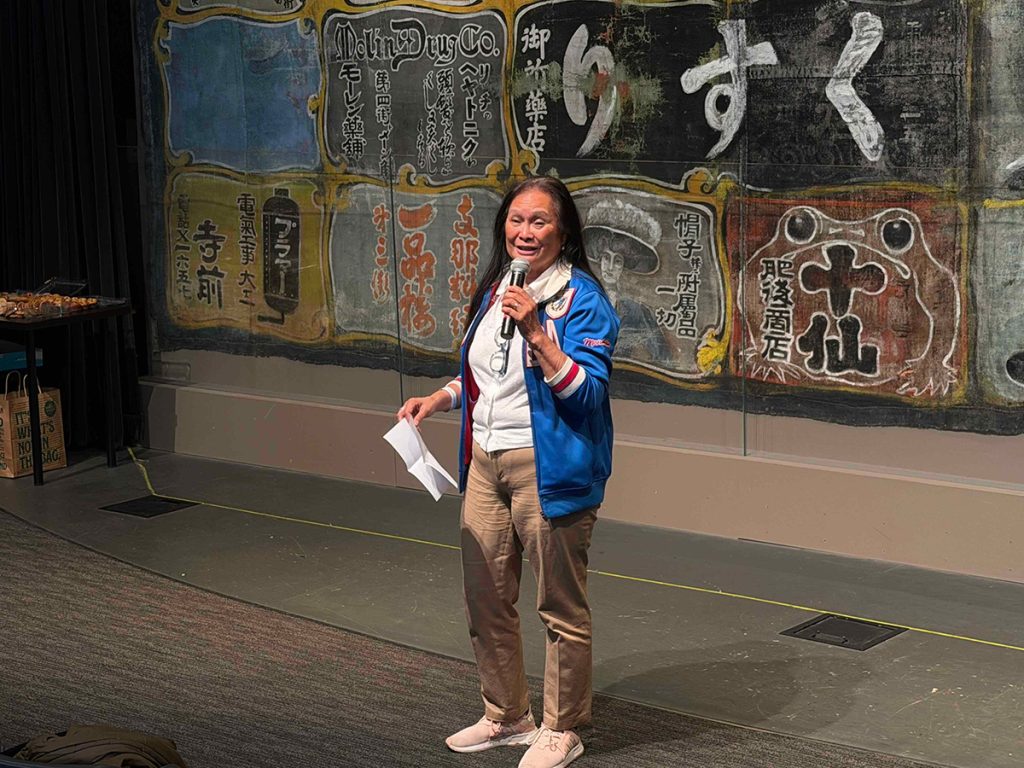
Cindy Domingo (Courtesy of MPOP)
“These raids are not happening just because of property violations or building codes,” said Cindy Domingo, the board chair of Legacy of Equality Leadership and Organizing. “Remember, FIFA is coming to this city — and just like sweeping the homeless, they want to close the massage parlors to show that Seattle is supposed to be a clean city, that visitors are welcome. … What does big sports bring to a city when a city invites them here? And so, we have to constantly remind our public officials to protect the most vulnerable when we are hosting these international or national events, especially sports events.”
Wong highlighted that this brand of anti-Asian stigma and racism “attack the most vulnerable Chinese workers in our communities under the guise of stepping out social ills and bad business that undercut struggling professionals.”
Massage parlor workers have repeatedly emphasized that these raids don’t protect them from alleged exploitation. For instance, a Bothell raid on five Asian-run businesses prevented massage workers from going to work and making money, while simultaneously putting them and the businesses in the spotlight, leading nearby business owners to draw incorrect conclusions about the businesses themselves.
Bothell police raided the homes and workplaces of Chinese workers, confiscating belongings and interrogating them without attorneys, Wong said. Workers later told MPOP that “they were raided and attacked,” even as police and fire told the media “that these women were victims who needed to be rescued.”
Shortly after that, the Pierce County fire marshall temporarily shut down 45 massage parlors and spas throughout Pierce County, citing alleged fire code violations. The businesses would be allowed to reopen, he said, after they fixed the code violations.
“Workers were shut out from their places of work,” Wong said. “Again, these workers were told that they were rescued. But this is not what we heard from the workers who were in distress outside their places of work, afraid to get their belongings. … in King and Pierce County alone, fire departments were deputized to serve as law enforcement to crack down on Asian massage parlors. Workers’ lives were impacted, belongings stolen, lives upended and therefore made more vulnerable to further exploitation and further threats of trafficking.”
Just like state-sanctioned anti-Chinese riots in the 1880s, Wong said, “the law is also not neutral.” Lack of licensure amongst Asian massage workers is due to the fact that several barriers to licensure exist, including no language access—the exams are only administered in English or Spanish, despite advocates’ efforts to get the licensing body to add other languages—and the thousands of dollars it costs to obtain a license.
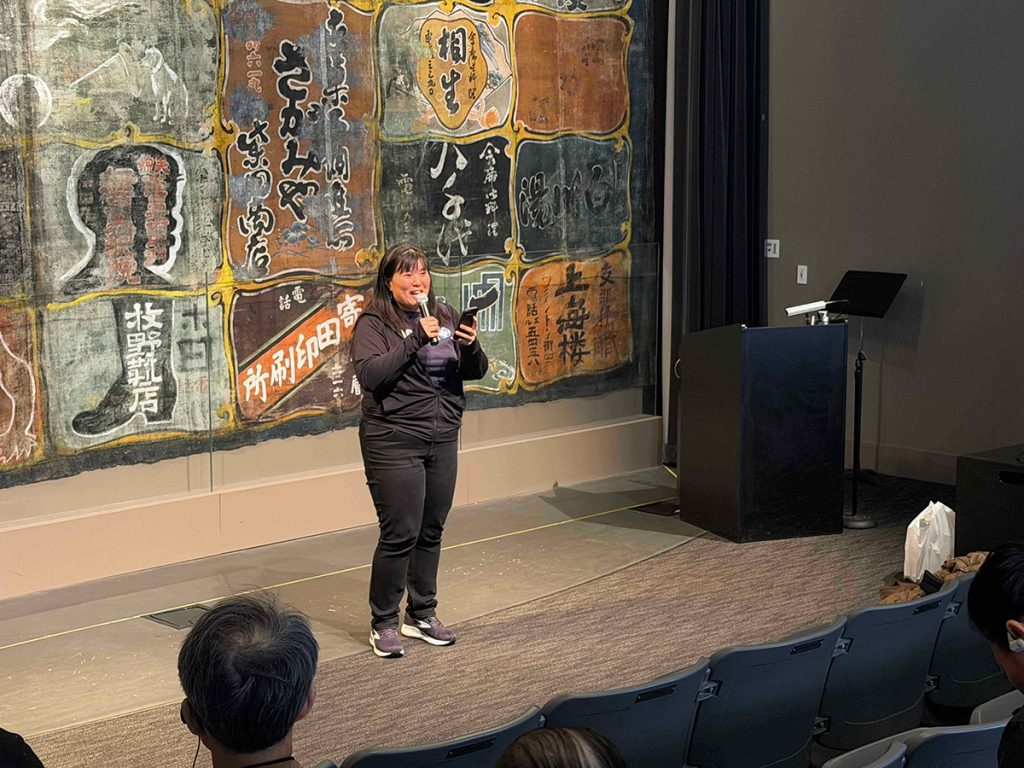
Eunice How (Courtesy of MPOP)
“We know our community faces many barriers like language and immigration status when exercising our worker rights,” said Eunice How, an MLK Labor Council board member and the president of APALA. “When the Massage Parlor workers approached us about writing a resolution in solidarity, we were reminded of the pain brought onto our community back in 2021 when six Asian woman spa workers were murdered in Atlanta. We had to address the fact that raids on Asian massage parlor workers perpetuate anti-Asian sentiments, stigma and violence towards workers and Asian communities.”
One unnamed massage parlor worker who is a member of MPOP, and who has a license, spoke of her own experiences fighting through the system that she feels has been intentionally created to work against her and other Asian massage workers. She remembered how much she struggled to remember all the right medical terms—as well as how, when she finished her exam, “the teacher just said, ‘Oh, congratulations.’ I couldn’t say thank you. I just smiled and ran to the restroom and worried, because there was too much pressure on me. … And I worked very, very hard to get my license. Without it, I would be too afraid to speak here today.”
“The government often has a stereotype about Asian women who don’t speak English. They often think women who work in Asian massage shops are all traffickers. They think our shops are places where crime happens,” she said. “But I want to say we shouldn’t be treated as criminals or victims just because we work in the massage industry.”
Most workers lead difficult lives, she said. Many don’t get fair pay, and some even choose to sleep at their place of work to save money on rent.
“These problems are real, as they also happen in many other industries. We want to solve them by protecting workers’ rights,” she continued. “Instead, the government responds with police raids. Police rush in, search us, handcuff us, take our money and belongings, and arrest us. In the end, it is the workers who get hurt.”
Police raids often mean that workers lose their income, and, subsequently, their homes and families, since they have no means to support themselves or their children. They may even be jailed or deported. And even if they aren’t, “for a migrant worker, once your name is in the police system. you lose more than you gain. There is a lot of stigma against us.”
Members of MPOP also read aloud statements of support from King County Councilmember Teresa Mosqueda and Seattle City Councilmember Dionne Foster, who also serves as vice chair for the King County Board of Health.
“As the vice chair for King County Board of Health, I appreciate MPOP’s call for a resolution focused on municipal strategies for real alternative pathways for massage workers,” Foster’s statement read. “How do we reduce harm, build trust, and create pathways that support workers instead of pushing them further into fear or instability? I’m especially interested in the conversation around alternative licensure and culturally specific wellness practices. If existing systems are creating barriers that leave workers without safe or realistic options then we have a responsibility to explore approaches that protect public health while respecting workers’ dignity and autonomy.”
Mosqueda in her statement also indicated her support for lowering the cost of licensure and removing language barriers to education and testing materials.
“And above all else,” her statement continued, “stop criminalizing people who have no better option of meeting their basic needs. Long term, we will continue to fight the push and pull factors that make people vulnerable to exploitation. Our collective safety depends on these efforts.”
In addition to the MLK Labor Council’s support, 13 other community organizations have publicly signed onto MPOP’s statement of solidarity that decries the raids and spells out workers’ needs.