





By Nia Wong
NORTHWEST ASIAN WEEKLY
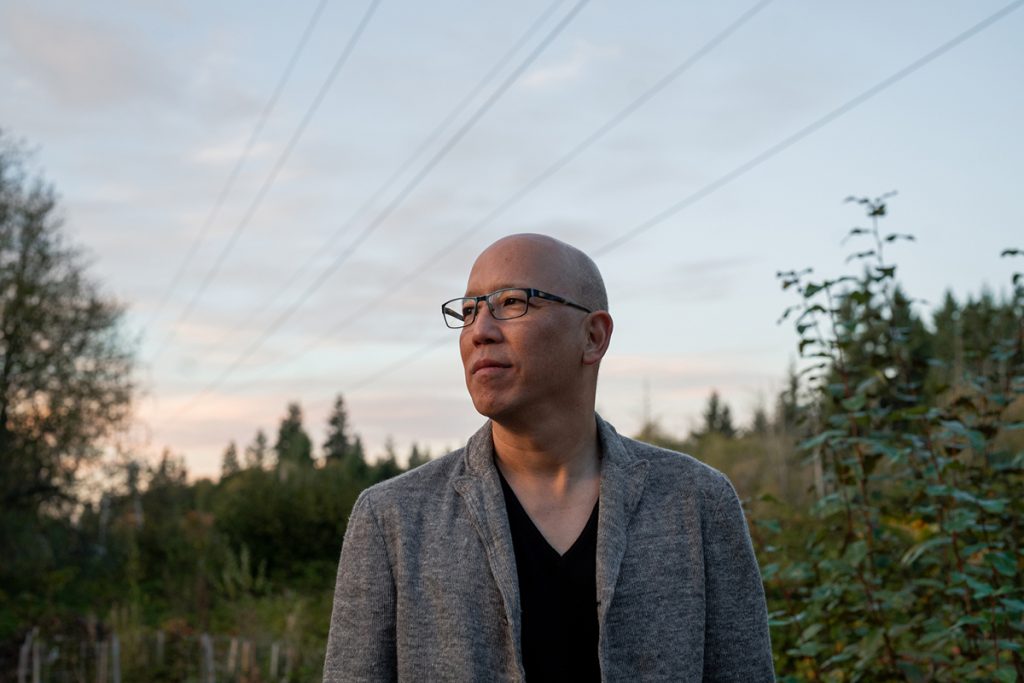
Courtesy of UC Press
It’s difficult to look back at the first half of the 2020s without wincing. While the last six years ushered in events that shook the world, it also unleashed a flood of violence across Asian American, Native Hawaiian, and Pacific Islander (AANHPI) communities, leaving us gasping in between waves of grief. Even today, relief feels distant at times, as heavy-handed immigration raids and rapidly shifting policies push the country into what feels like a chaotic second act of the decade. Yet what has been witnessed and experienced in the 2020s isn’t random but rather a recurring theme in our country’s history, according to Dr. Scott Kurashige. In his latest release, ‘American Peril: The Violent History of Anti-Asian Racism,’ Kurashige points to historical moments that barely get a line, if any mention in history books used in formal K-12 education, but are still necessary to know in order to understand what is happening today and the work that needs to be done to steer the country into a more inclusive direction.
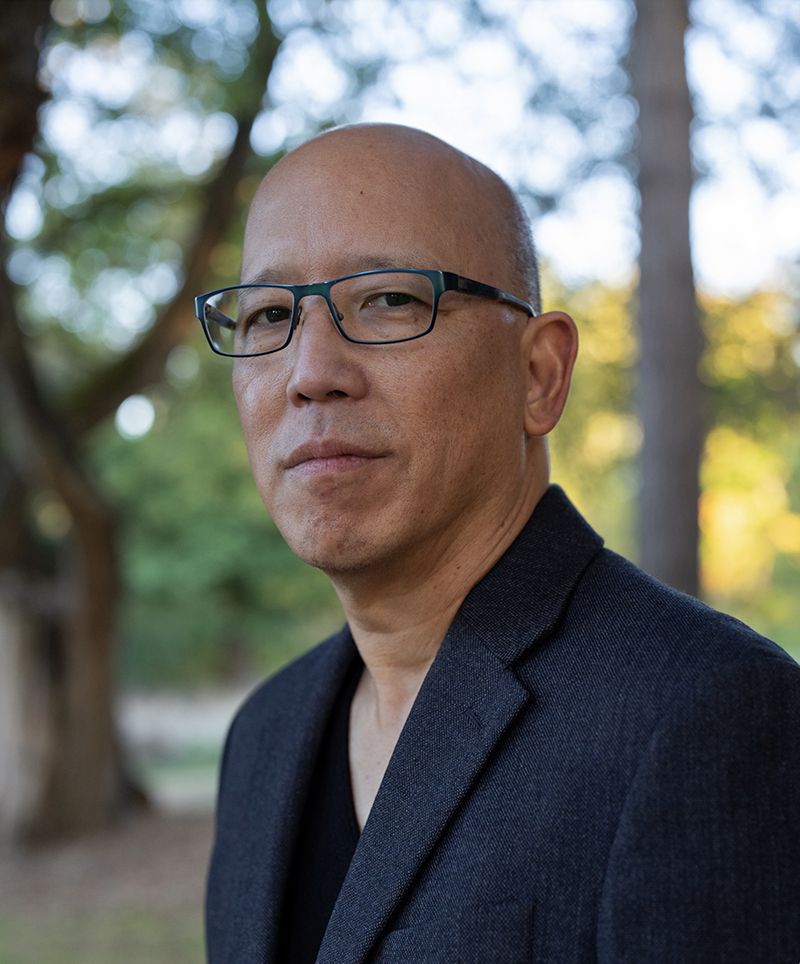
Courtesy of UC Press
Across his multi-city tour to promote ‘American Peril,’ Kurashige is dedicating several stops in his homebase of Seattle during AANHPI Heritage Month and he took the time to sit down with Northwest Asian Weekly during one of his earlier book discussions at Third Place Books.
“Of course, we need people to organize, we need people to vote, we need people to change policies and build movements, but the role of education is really critical to all of that,” said Kurashige. “I want [readers] to recognize that the history we’re taught in school, and certainly from politicians and the media, is not just incomplete, it’s consciously distorted and whitewashed.”
Kurashige says while the origins of his new book started from his undergrad days at the University of Pennsylvania, the new wave of anti-Asian violence and bias incidents that spread during the pandemic lit a fire in him to complete his manuscript.
“We hear the way the current president will talk about the bombing of a school, or the willingness to again wipe out a whole civilization, but this is not new. This is not unprecedented,” said Kurashige. “It’s not like Trump started something out of thin air. Sadly, politicians on both sides of the aisle have been part of the dehumanization of enemies, the scapegoating of immigrants and people of color.”
Kurashige takes readers back through 175 years of U.S. history at home and abroad, laying out jaw-dropping real events of violence, ethnic cleansing, legal arguments leading to exclusion against Asian Americans during economic and global competition. Though the author has decades of activism and teaching Asian American studies under his belt, he admits discovering certain historical events for his book that he hadn’t encountered during his career.
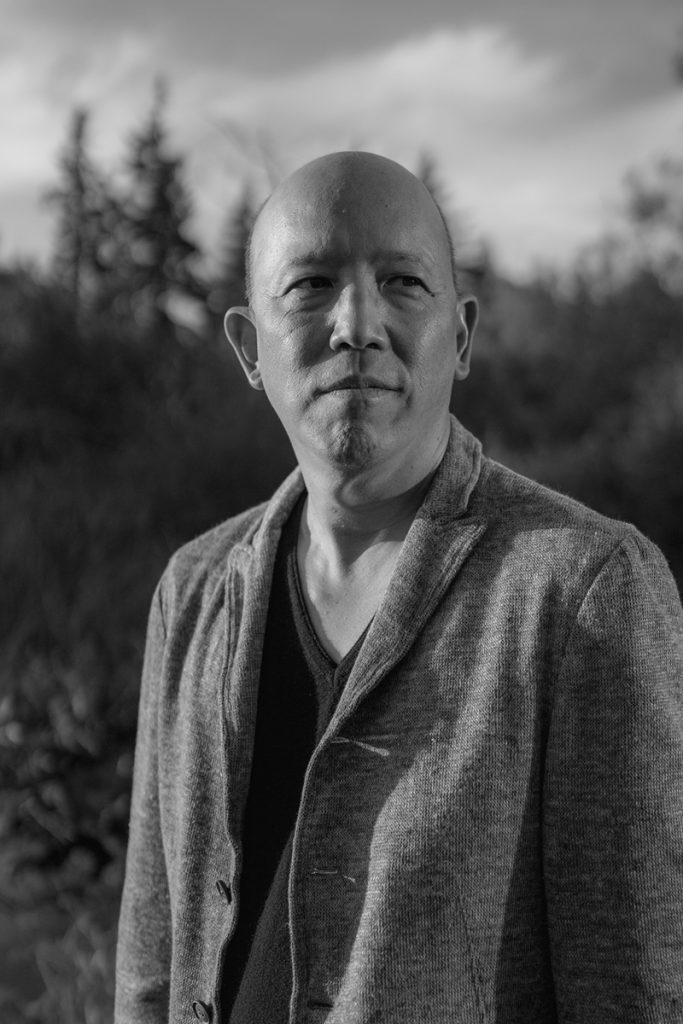
Courtesy of UC Press
“I’ve been teaching Asian American history pretty much my whole adult life, and so I’m trying to bring together everything I’ve researched and learned from other people’s books and from my own original research into one compact volume, but there’s so much that I didn’t even know. That’s really scary, because it means there are so many incidents of anti-Asian racism and violence that have been covered up, both domestically here in the U.S., but particularly through overseas wars in Asia,” said Kurashige.
As much as Dr. Kurashige wants to increase awareness of violent history, he also brings to light the long history of activism among Asian American communities that have contributed to democracy and civil rights in the United States of America.
“We have this stereotype that Asian Americans are a model minority, and along with that, this idea that there is no history of Asian American activism, but there’s a long, long history of activism, protest resistance that’s also been covered up,” said Kurashige. “If Asian Americans are interested in creating safer communities for themselves, we have to build alliances with other people who share that interest, and find ways to form coalitions in solidarity.”
‘American Peril’ delivers a definitive guide, not only for audiences who have taken a few Asian American studies classes but for readers who are new and eager to learn about Asian American history.
‘American Peril’ book tour with Dr. Scott Kurashige continues in Seattle:
Thursday, May 28th – Hood Famous Cafe and Bar
Saturday, May 30th – Seattle Public Library
Wednesday, June 10th – Elliott Bay