

By Kai Curry
NORTHWEST ASIAN WEEKLY
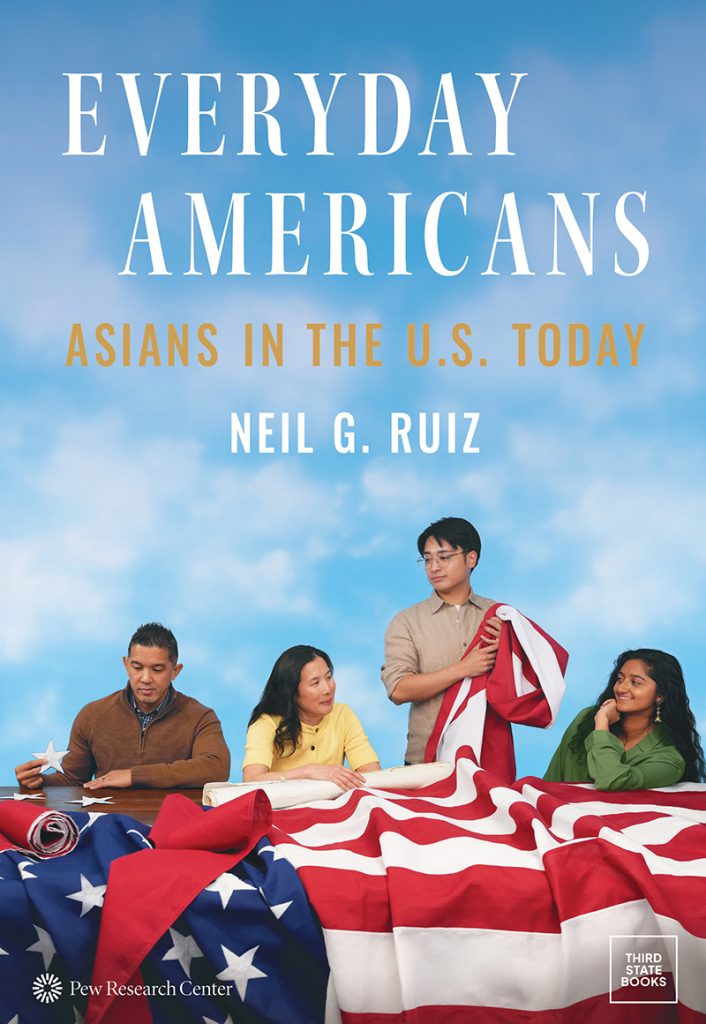
In his new book, Everyday Americans: Asians in the U.S. Today, Neil Ruiz brings the experiences, perspectives, and aspirations of Asian Americans to life. Drawing on his own experience as a Filipino American and his work leading Pew Research Center’s landmark 2022–2023 survey of Asian Americans—the largest of its kind—Ruiz transforms insights from 84 focus groups and numerous interviews into an accessible, compelling portrait of what it means to be Asian American in the United States today.
“This book basically says that Asian Americans are American,” Ruiz told the Northwest Asian Weekly. According to the survey, Asian Americans want the same things as every other group of Americans. This does not downplay the fact that Asians in America are not a monolith, but it does highlight the fact that most people in this country have similar wants and needs, Neil said. It just happens to be that Asian Americans are the fastest growing immigrant group in the United States today and the most “transformative” group, according to Ruiz, because it’s the only group currently made up of mostly immigrants or children of immigrants. Those who immigrated to the U.S. are going through a different experience than those born here. It may be that those not born here still see themselves as foreigners, even if they really aren’t; while those born here are more likely to respond to racism or try to bridge the gap between Asian and American and be both.
The survey took place while the anti-Asian racism of the COVID-19 pandemic was still in play (which is not to say it no longer exists), so the topic of discrimination hit close to home. “Those who are U.S.-born are more likely to see discrimination more explicitly,” Neil observed. While those that immigrated are more likely to believe they do not have a say, their U.S.-born kids might argue, “That’s discrimination. That’s against your rights.” To sift these types of differences out, the survey conducted separate sessions with the separate generations. Ruiz said the experience was as if they were having a conversation with each other, but from different rooms. In one room, Asian parents would be talking about the bright future they want for their kids through high-paying careers. In the other room, Asian children would be talking about how, while they recognize their parents’ sacrifices, their dreams are no longer their parents’ dreams.
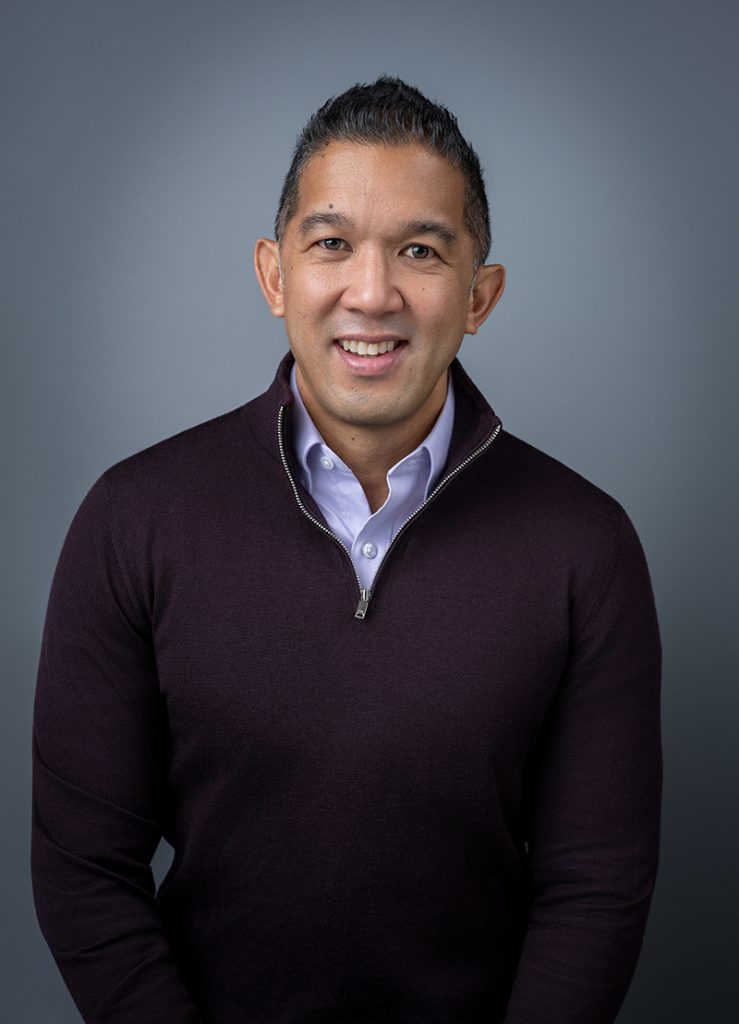
Neil Ruiz
Ruiz’s book, which he dedicated to his parents and to “the millions of immigrants from Asia who took the risk of moving to an unfamiliar country to build a new life in America,” summarizes the enormous amount of information gathered from the survey and shares Ruiz’s own Asian American experience. Ruiz’s parents came to the U.S. when his father joined the U.S. Navy because of an executive order allowing people from the Philippines to join issued after the Philippines’ independence from the U.S. in 1947. Something Ruiz found that his parents had in common with many other Asian immigrants was that they devotedly helped those back home. During a visit to his father’s village, Ruiz realized that “mom and dad were not just raising my brother and I, but they were raising a whole village of relatives left back in the Philippines.” People were lining up to thank his parents (by way of Ruiz) for helping them go to college, for instance. “It helped me understand the context of my father and mother,” Ruiz said.
Everyday Americans is divided into topical chapters, such as “The First Generation Forges a Path” or “The Challenge for Future Generations.” The book and the survey results point to how many Asian Americans live in poverty and how many struggle to resolve an identity crisis. Many don’t see themselves as American at all, Ruiz revealed. Many see only white people as Americans, for instance. Many deny their own American-ness.
“I feel so honored to have been able to store the 24 million Asian American voices into this book that tells us definitively our story,” Ruiz said. The survey was done in 18 languages and included individual interviews with prominent Asian Americans, such as Joan Chen, Michelle Sugihara, or Manish Chandra. It has resulted in two video documentaries.
“Too often, Americans are reduced to stereotypes shaped by where they live, how they look, how they vote, or how they were raised. But none of us is fully defined by a single characteristic,” Pew President Michael Dimock says in the book’s Forward. Through learning more about each other, we learn empathy and understanding, which are goals of Pew and of the book, Ruiz said. Ruiz’s father passed away two years ago, so he never got to see the book. Ruiz remembered sitting down with his parents to play a card game called “Parents Are Human.” In this case, the game was available in both English and Tagalog. Gameplay allows kids to ask deep questions to their moms and dads in order to get to know them better. “I discovered things I didn’t know about my dad,” Neil recalled, such as that his dad had been the Salutatorian of his high school graduation, yet unable to attend because he couldn’t afford nice clothes or shoes.
Ruiz’s main takeaway of the survey and of writing the book?
“Ask questions to your family. There are stories that we don’t know.”
Everyday Americans: Asians in the U.S. Today was co-published by Pew Research Center and Third State Books. It will be released on Nov. 17.
Kai can be reached at newstips@nwasianweekly.com.
Leave a Reply