



By Stephen McLean
NORTHWEST ASIAN WEEKLY
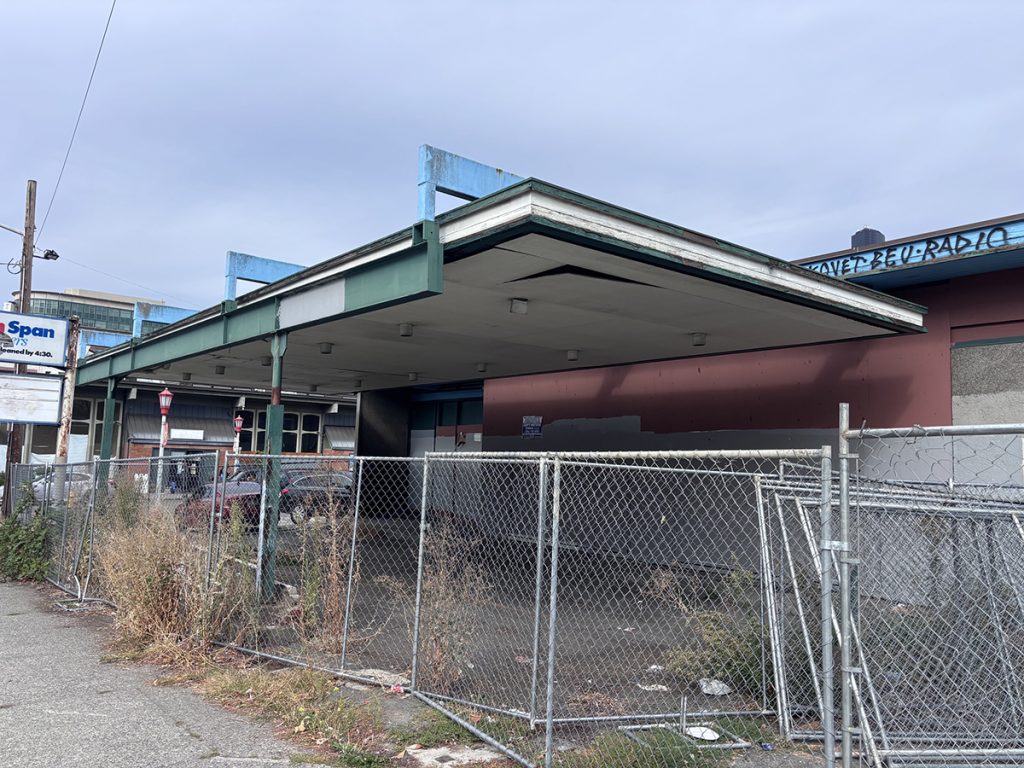
The former Spic ‘n Span building on 646 S. Dearborn St, Seattle, pictured before demolition, on Sept. 24, 2026. (Photo By Stephen McLean)
The Seattle Chinatown International District Preservation and Development Authority (SCIDpda) will be one step closer to realizing its vision for affordable housing at the site of the former Spic ‘n Span building. The structure was scheduled to be demolished on Monday, Sept. 28. Construction will begin in 2029 and once completed, the mixed-use unit will feature up to 61 single-family units, including two- and three-bedroom apartments, along with a planned community space on the ground level.
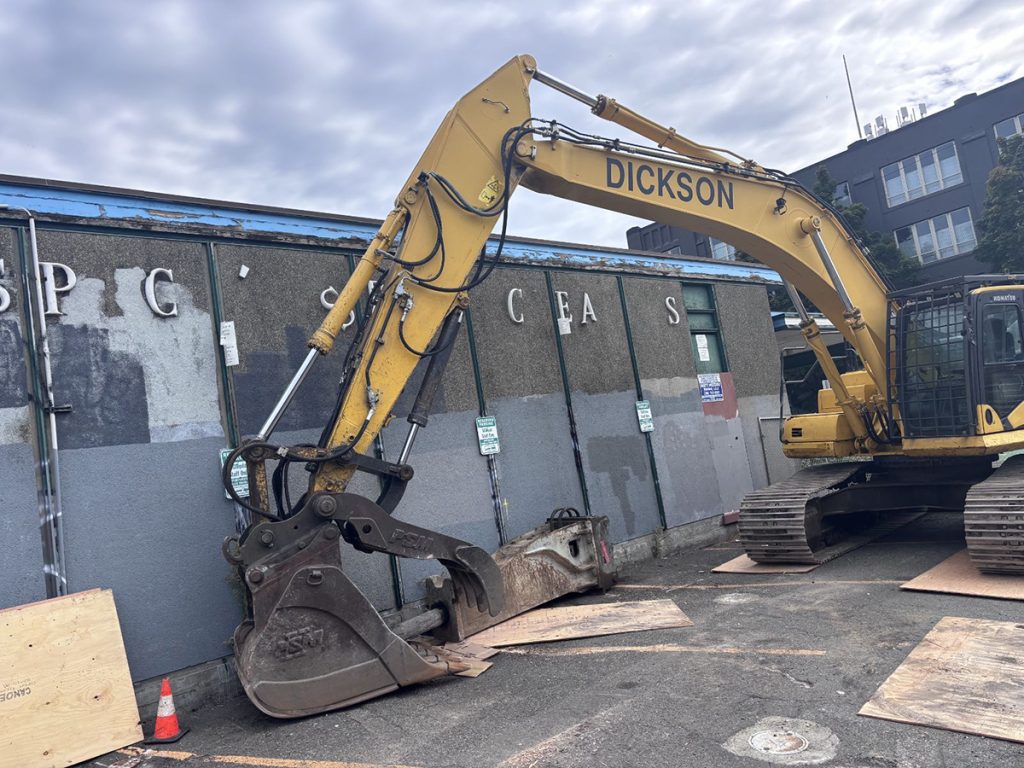
A bulldozer at the ready at the former Spic ‘n Span building on 646 S. Dearborn St, Seattle on Sept. 28, 2026. (Photo By Stephen McLean)
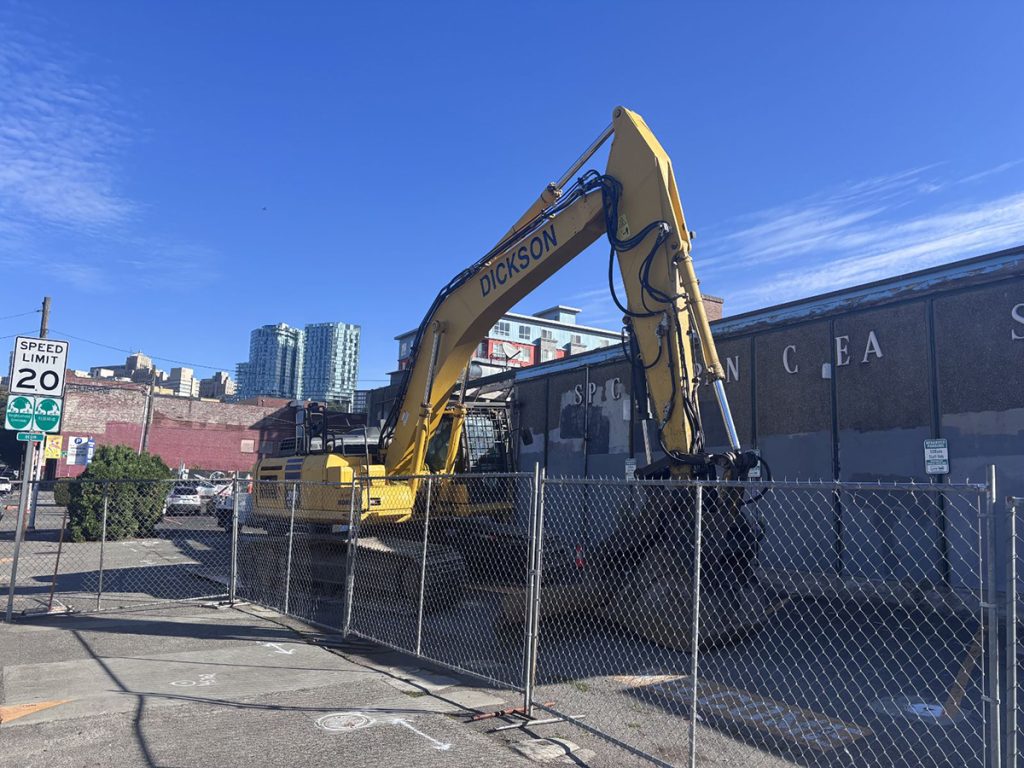
A bulldozer at the ready at the former Spic ‘n Span building on 646 S. Dearborn St, Seattle on Sept. 28, 2026. (Photo By Stephen McLean)
With the purchase of the site for $7.4 million in 2024, SCIDpda took the crucial step of taking ownership and keeping the property in the community.
Side x Side Architects will design the building, with phase one of the project completed in the summer of 2027. SCIDpda has not yet selected a construction vendor but expects to open a competitive RFP process during the pre-development process.
The facility will provide housing for a wide range of income levels, from single workers to multi-generational households. Combined with 5,000 square feet of community-serving commercial use at the ground level, SCIDpda envisions that it will promote an environment where the community can thrive and grow. The level of permanence will be similar to the Domingo Viernes Apartments (DVA), another one of SCIDpda’s projects. DVA is a 57-unit, low-income housing facility at 721 Lane Street.
“DVA has provided stable housing for its residents. Over time, we’ve witnessed a community thrive, with kids running back and forth between each other’s homes, and families growing across several life stages,” said Kai Chang, SCIDpda’s development associate.
According to Jared Jonson, SCIDpda’s co-executive director, the housing aligns with SCIDpda’s mission and vision to preserve and promote the CID as a vital and vibrant community.
“The site was home to a dry cleaning business that closed in 2019 and has not served the community since the business ceased to operate,” said Jonson. ‘It behooves us in our work and mission to transform developable land into affordable housing and community-serving space that supports the needs and wants of the neighborhood.”
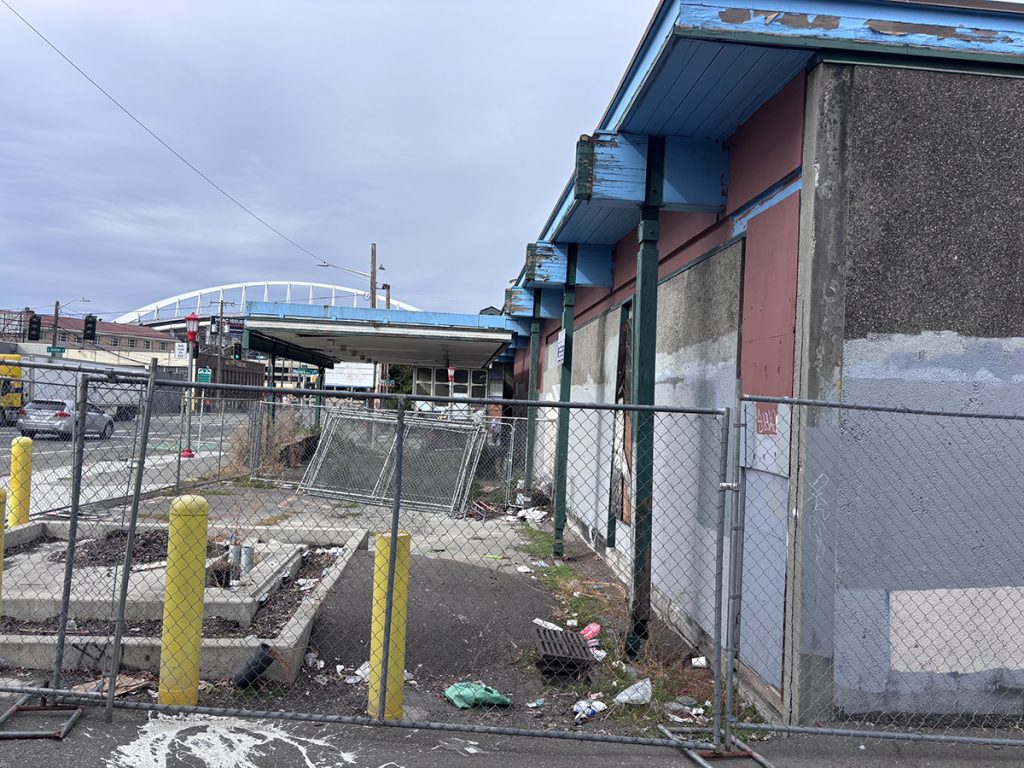
The organization is committed to ensuring that the demolition, completed by Dickson Demolition + Abatement, will allow CID businesses to remain open while maintaining traffic, and pedestrian access.
“We expect demolition to have minimal impact on surrounding businesses, traffic and pedestrian traffic,” said Chang. “As a safeguard, the demolition crew will install fencing along the perimeter of the work area. All work will be conducted within the boundary of the property. Demolition will focus on removing the vacant building. Additional site work will be planned when the project is ready to begin construction.”
Chang added that they will deploy a 300-size excavator and expect an estimated 17 loads of wreckage to be removed from the site over approximately five days.
From its founding in 1963 to its closure in 2019, the Spic ‘n Span served thousands in the CID community as the only dry cleaner in the neighborhood. Though clean up and remediation work have previously taken place by Electrical Resistance Heating, SCIDpda entered into a Prospective Purchaser Consent Decree with the Washington State Department of Ecology to implement a process for further remediation (through a pilot study), implemented at the end of 2028.
Chang believes that the project, once completed, offers individuals and families connected to the community more opportunities to acquire a home in the neighborhood and establish a place for families to thrive and grow.
“This project will secure a site at a gateway to the CID and provide family-focused affordable housing,” he said. “As a product of Seattle’s history of redlining and racial covenants, the CID was built around SRO hotels for guest workers, not homes intended for families to take root. To this day, the CID continues to have a real lack of family housing.”