



By Stephen McLean
NORTHWEST ASIAN WEEKLY
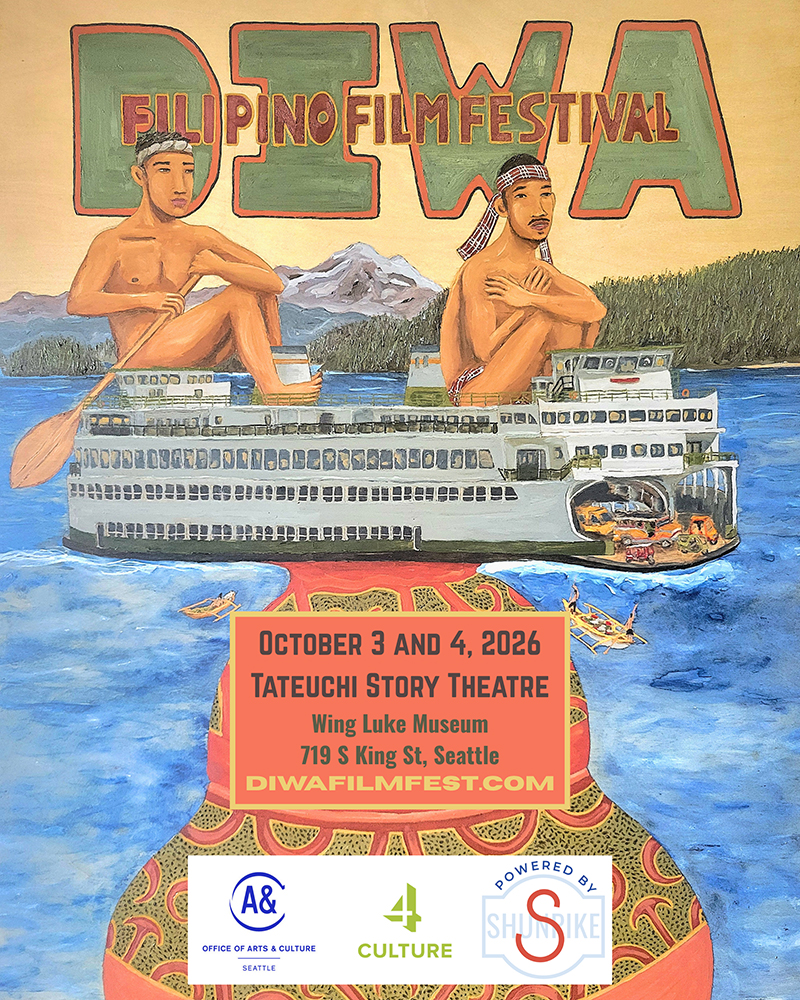 A Batman-themed film might be the last thing one would expect at the DIWA Filipino Film Festival, but that’s exactly what filmmaker Madonna Diaz-Refugia will proudly screen during the annual event, taking place at the Wing Luke Museum on Oct. 3 and Oct. 4. Entering its 12th year, the film festival will showcase 42 films, narratives, and documentaries by Filipino artists and filmmakers.
One of the creations, Diaz-Refugia’s narrative film, “Lolobatman,” takes viewers through her journey to find her grandfather’s passion project, an elusive 1967 movie parody named “Batman Fights Dracula.” The narrative film focuses on Diaz-Refugia’s journey of generational discovery, empathy, and understanding..
“Lolobatman follows my search for the film and for a connection to the grandfather I never really got to know,” Diaz-Refugia revealed. “It’s a funny, bittersweet mix of narrative and documentary exploring Filipino cinema history, family legacy, and grief.”
Diaz-Refugia’s filmmaker grandfather, Leody M. Diaz, wrote and directed a number of parody films to the delight of local audiences. Sometime after completing “Batman Fights Dracula” and preparing to shoot another film, he died in a movie theater, of all places. Knowing this part of her family history, the seeds of inspiration were planted. She recalled since she learned of her grandfather at a young age, she knew she had to make a movie about him.
“It was just so clear to me that this man had so much unfinished business,” she said. “And I felt like he wanted to do it through me. I felt him pushing me to follow in his footsteps and make a movie about him and his film.” When asked if she ever found the film, she was evasive.
“Well, I don’t want to give away the end of my film,” she was quick to note.
Diaz-Refugi’s film is one of the 42 contributions screening at the festival, according to filmmaker and Filipino migration historian Adrian Alarilla, PhD, who is also the festival’s founder and organizer. The DIWA Filipino Film Festival has grown over the years into a community-centered event that celebrates the independent film work of Filipino creatives locally and internationally, reflecting the diverse stories of the Filipino diaspora.
At the urging of Pagdiriwang Philippine Festival organizers, the film festival was founded in 2014. It became a standalone event in 2025. Recognizing a limited number of Filipino American and Filipino stories in popular culture, Alarilla saw an opportunity to tell stories, build community, and bridge the divide that existed within the Filipino diaspora.
“It is all about representation, but the media landscape has changed in the past decade, and Filipinos are starting to be in the mainstream. Non-Filipino Americans are getting to know Filipino cuisine and Filipino culture. I think all this exposure hopefully invites audiences to dig more deeply into Filipino culture; I think that’s what DIWA offers. Through these films that are very personal, very intimate, they can offer richer, deeper insights into the Filipino experience.”
Over the two days, films, narratives, and documentaries will be presented in six themed segments, called Shorts Programs, which will be centered around family bonds, migrant stories, humor, and displacement and colonialism.
“I have watched all of the films,” Alarilla declared. “I would highlight our Shorts Program 2, Migrant Stories, that’s filled with documentaries about the Filipino experiences in the diaspora, and features films from all over the world.”
Alarilla noted that films such as In the Morning Sun, Hiratsuka, The Wind is Strong, Finding Filipinotown, and the closing night feature, All the Things I Leave You, offer touching and unexpected perspectives on Filipino experiences.
It is no coincidence that the festival takes place during National Filipino American History Month.
“That decision was more strategic,” said Alarilla. “So, we wanted to set the film festival during a time where Filipino American history, community, and culture is most in everyone’s minds.”
Filipino organizations will serve as co-presenters, and include Filipinotown Seattle, Tanggol Migrante Movement, Aleksa Manila, Malaya Seattle, Hiraya Seattle, Seattle Film Society, and Seattle Film Commission.
Each program will have a Q&A session at the end, giving attendees the opportunity to ask questions, discuss meaningful topics, and learn from filmmakers.
“I want them to come away inspired, to tell their own stories, whether it is through film or any other media,” Alarilla said about his hope for event attendees. “It is meant to keep the conversation going, to inspire audiences.”
To buy tickets, learn more about showcased films, daily itineraries, sponsors, co-presenters, and hours, visit diwafilmfest.com.
Stephen can be reached at newstips@nwasianweekly.com.