



By James Tabafunda
NORTHWEST ASIAN WEEKLY
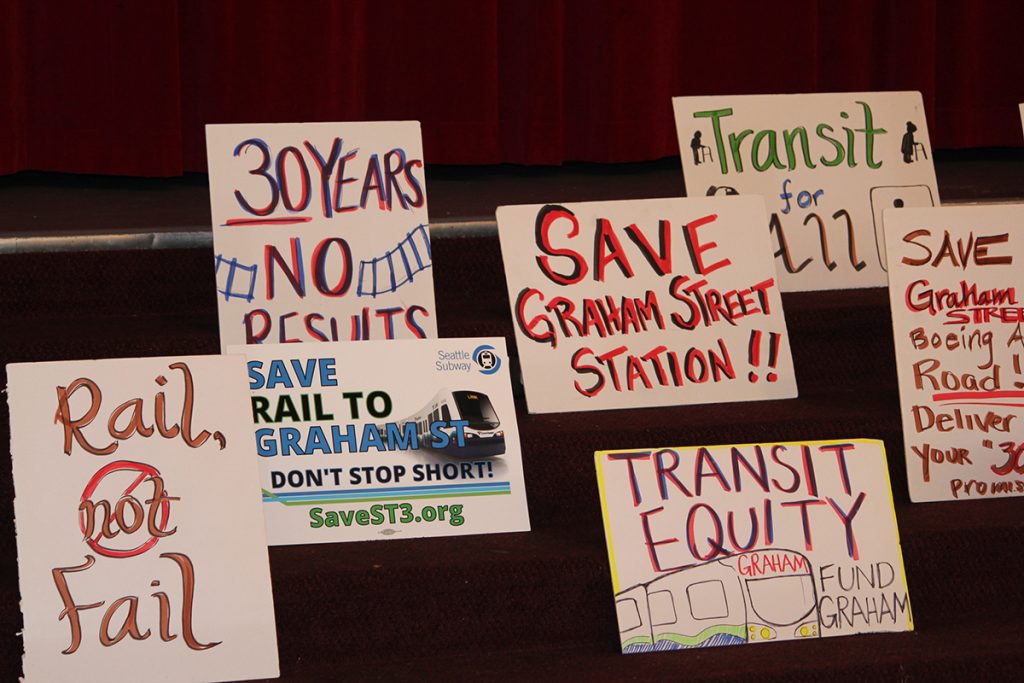
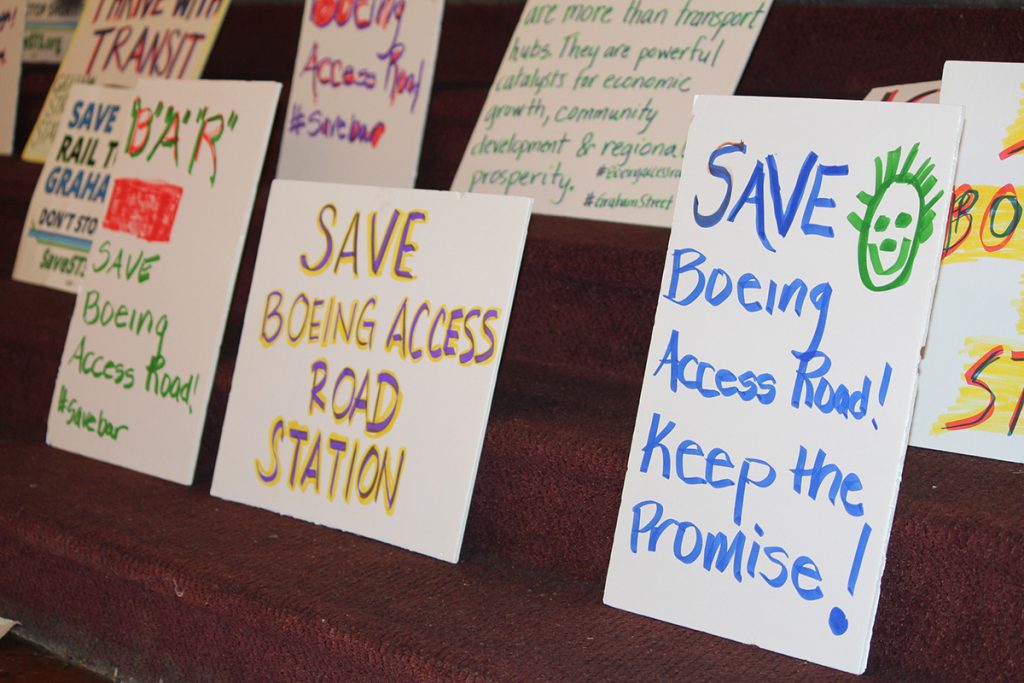
More than 120 residents, community leaders, and elected officials packed the Filipino Community Center in Seattle’s Rainier Valley on May 12 to demand that Sound Transit honor decades of promises and build two long-deferred light rail stations serving some of the region’s most diverse and transit-dependent communities.
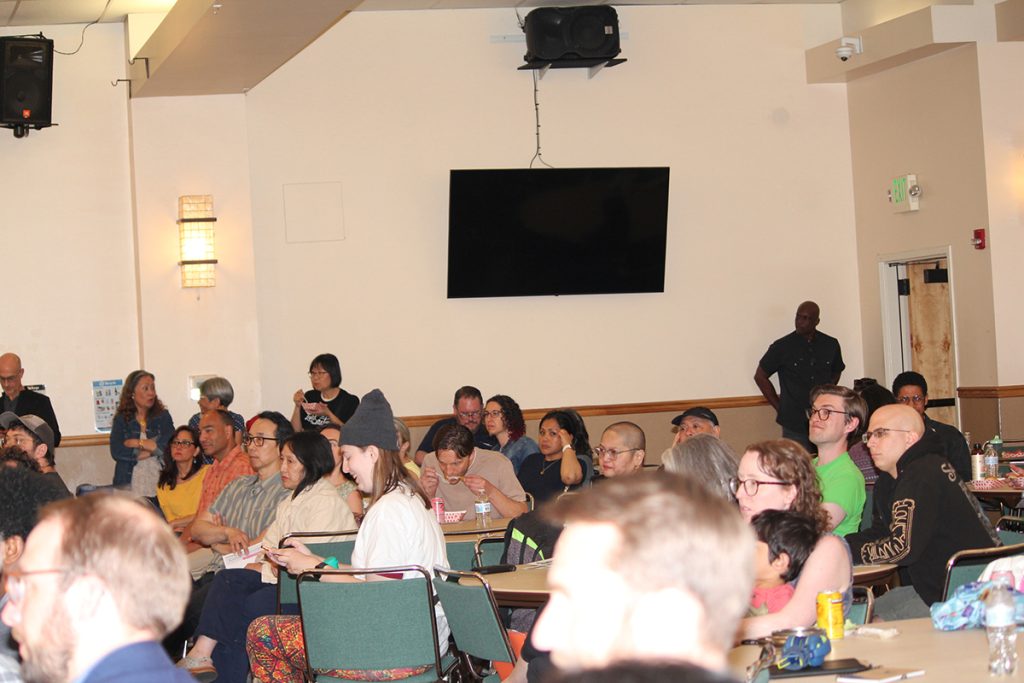
Attendees listen during the Southend Transit Justice Town Hall at the Filipino Community Center in Seattle on May 12, 2026. (Photo by James Tabafunda)
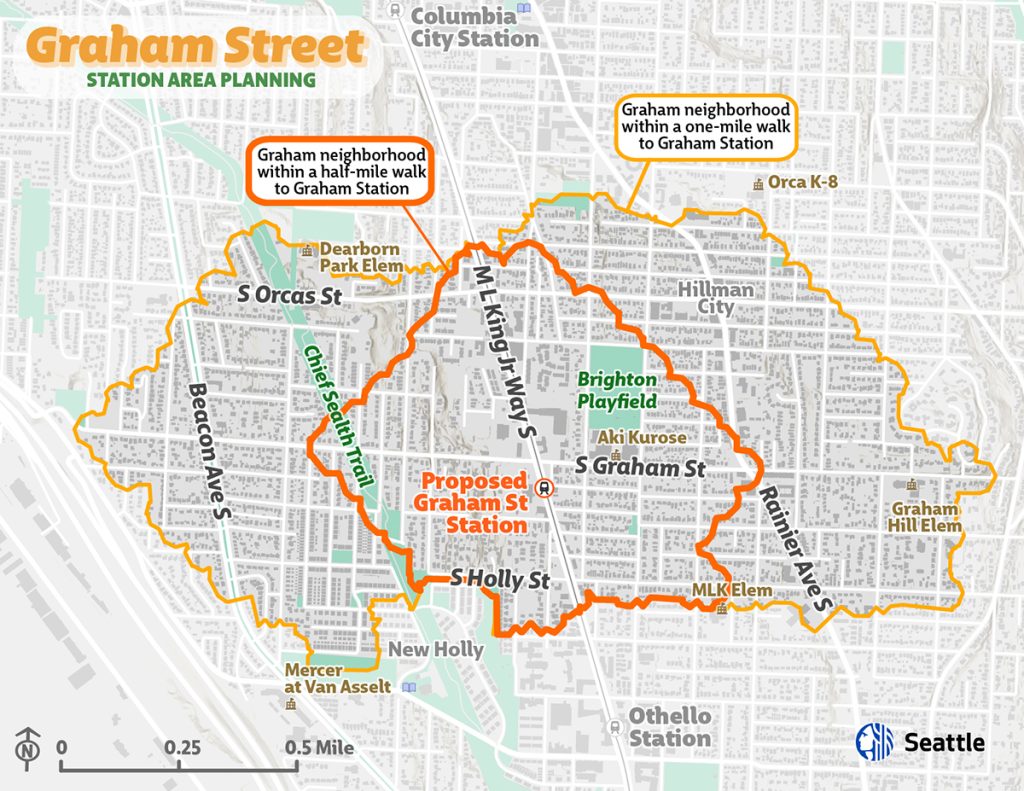
The Southend Transit Justice Town Hall, held at the Filipino Community Center, focused on Sound Transit’s proposed financial realignment plan, which could once again defer—and effectively cancel—the Graham Street infill station in South Seattle and the Boeing Access Road station in Tukwila.
Background: decades of deferrals
The Graham Street station was approved by voters as part of Sound Transit 3 in 2016, with a scheduled opening of 2031. The Boeing Access Road station was first approved by voters in 1996 as part of the Sound Move plan. Both stations have been deferred multiple times. Sound Transit currently faces a $34.5 billion funding shortfall over the next 20 years and is weighing three financial realignment scenarios—two of which exclude the Boeing Access Road station entirely.
The communities are visible
Agnes Navarro, executive director of the Filipino Community of Seattle, opened the event with an emotional call to action.
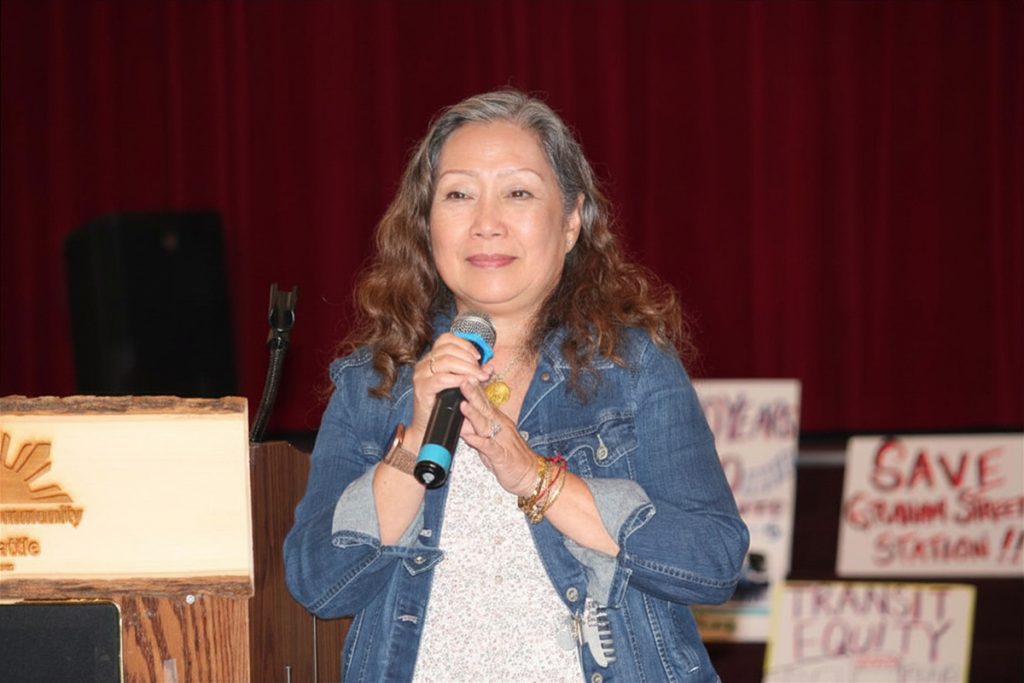
Agnes Navarro, Filipino Community of Seattle executive director (Photo by James Tabafunda)
“They have moved the date of when this will happen, and it was supposed to be in 2031 or 2030, and now it’s being removed or being taken away from us,” she said. “This area is a place where most of the people that live in this 98118 zip code are the most diverse, the low-income people that rely on public transportation. Not everybody in this space owns a car.”
Navarro, who has worked on the Graham Street station issue for roughly 20 years, said the stakes are deeply personal. “Our seniors will be happy because they can hop into a train easily with their groceries that they get from our food pantry. These are the students who want to go and make their lives better and go to school. We are not invisible. We are here to fight for it.”
Housing and transit justice linked
Violet Lavatai, founder and executive director of Tenant Organizers and Advocates, a housing justice nonprofit, told the crowd that housing and transit justice are inseparable.
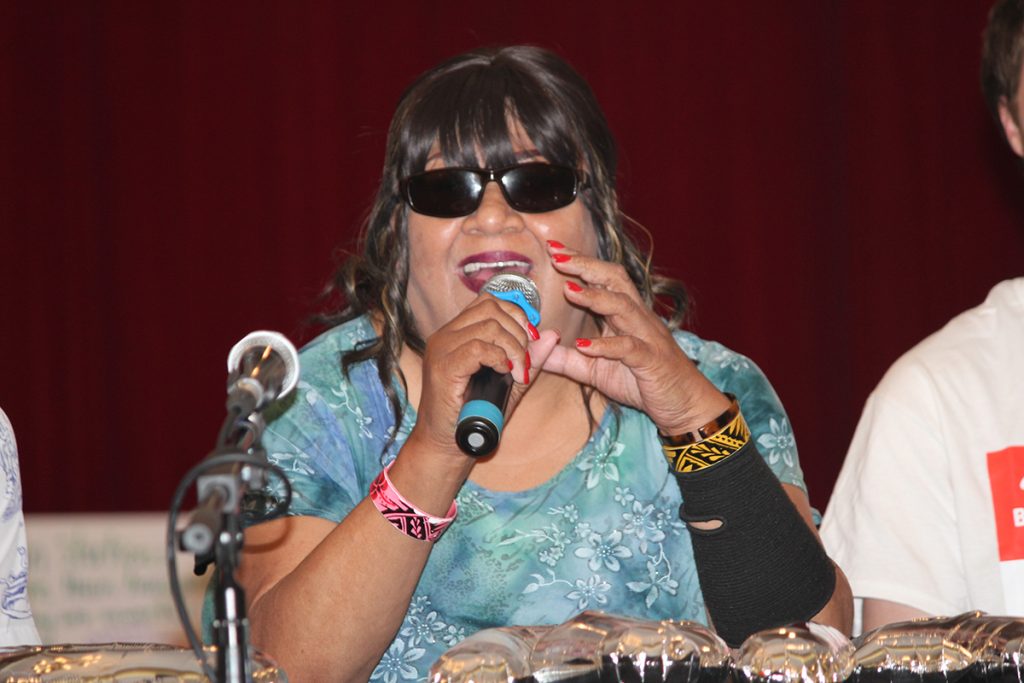
Violet Lavatai, Tenant Organizers and Advocates founder and executive director (Photo by James Tabafunda)
“Defer means let’s just sweep it under the rug. And let’s just hope nobody says a word about that. I don’t blame the Sound Transit employees. I blame the board that makes decisions on our community,” she said. “When you have something that is not right, we have to call it out.”
“How many years? Is it three decades this has been happening? We’re like an afterthought. Our community has never had these investments that we deserve. And why not us? Tonight is the start of holding Sound Transit accountable for the decisions they have made concerning our communities.”
Tukwila pushes back on inequity
Tukwila City Council President Armen Papyan said the Sound Transit proposal exposes a stark contradiction between the agency’s stated equity commitments and its actual decisions.
“If Sound Transit moves forward with the current proposal as is, there is no promise that both Graham Station and Boeing Access Road Station will be built,” he said. “In fact, if you look at the entire proposal, the two communities that are probably the most diverse—in every single definition, from racial to economic—are the communities that are being impacted.”
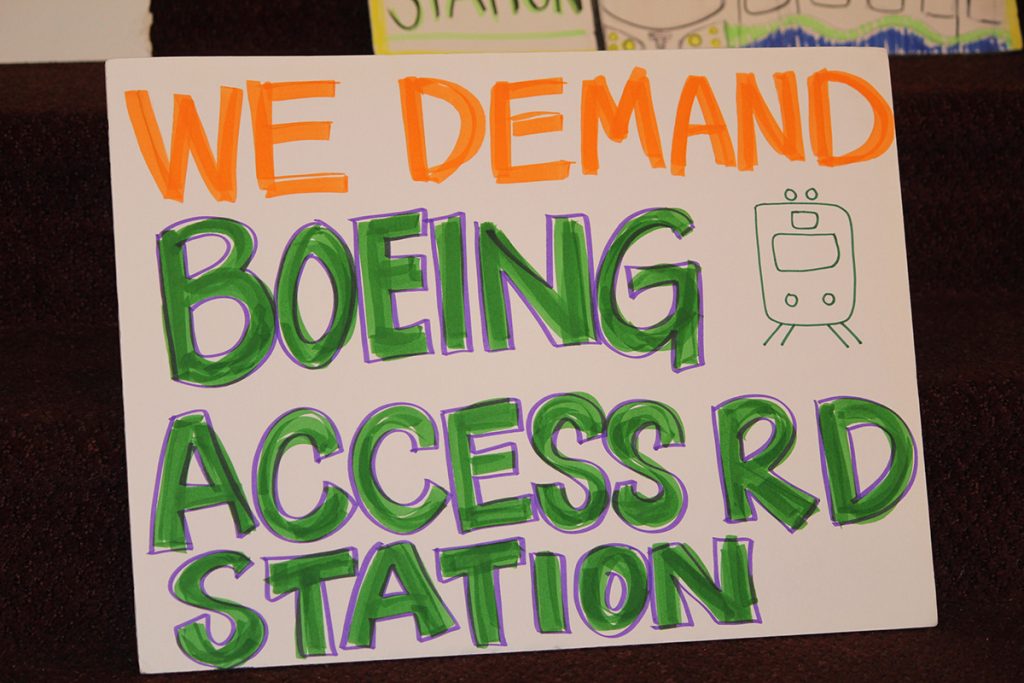
“At this point, the town hall is very symbolic in every single way. It’s more like just checking the check box that we did this thing. And I really think it’s time for us to be actually heard.”
Papyan added that 14 other South King County cities are preparing a joint letter to Sound Transit declaring that they have been left behind through this entire realignment process.
Non-drivers left behind
Anna Zivarts, executive director of the Nondrivers Alliance, told the audience that non-drivers—roughly one-third of the U.S. population—are the people who bear the most harm when stations are deferred.
“Non-drivers are about a third of Washington state residents. It’s probably even higher here in the Rainier Valley, where there’s more communities of color, more low-income residents, more residents who are recent immigrants, and more residents like me who are disabled and can’t drive,” she said. “I really hope our elected leaders can step up and figure out a way to not cut Graham, to not cut Boeing Access, because the communities here have been waiting a long time and need it the most.”
History of broken promises
Howard Greenwich, research director at Puget Sound Sage, walked the crowd through what he called “a trail of broken promises” dating to the late 1980s—from Graham Street’s exclusion in the original 1996 Sound Move plan, to its first deferral in 1999, to the loss of Bus 42 service in 2009 when Central Link light rail launched without a Graham Street stop, leaving the neighborhood worse off than before.
“When service starts, they actually get less service from that investment,” he said. “This is a working-class community. People don’t have a lot of time because they have to work. And the hours and hours and hours of community engagement that people put in, I couldn’t even add it up.”
Ian Martinez, who serves on the executive board of the Hillman City Neighborhood Association, said residents never imagined they would have to fight for something voters already approved twice.
“Until about three to six months ago, it was just assumed that the regional authorities would deliver on their legal commitments,” he said. “Nobody even had in their right mind that there wouldn’t be a station. Let’s take small, discrete actions in our neighborhood—if everyone here does one, two, three things over the next few months, we’ll get the outcome.”
Elected officials pledge to fight
King County Executive Girmay Zahilay, who sits on the Sound Transit Board, acknowledged the injustice directly.
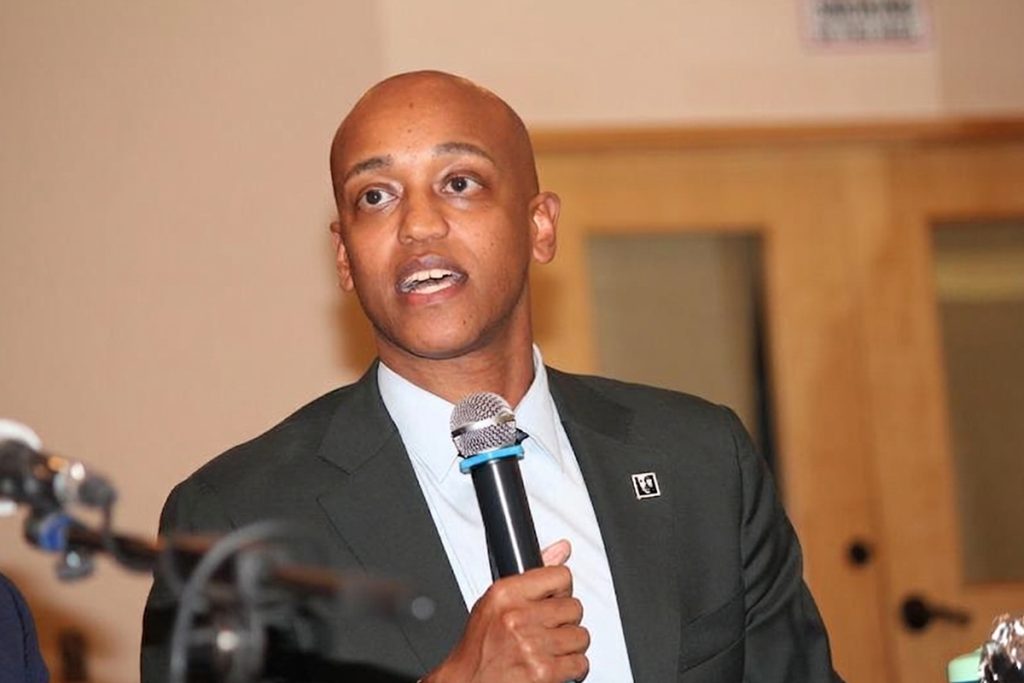
Girmay Zahilay, King County Executive (Photo by James Tabafunda)
“I know how South Seattle is overlooked and underinvested in for so long,” he said. “Seventy percent of all the deaths that are related to Sound Transit happen in this little four-mile stretch in the Rainier Valley. I want to get these stations built. I want to find the resources now—not just to get the design, but to get them built. That is my goal.”
When small business owner Channa Bun asked Zahilay during the event’s Q&A to justify partially funding the stations while delaying investment in South End communities, Zahilay was direct.
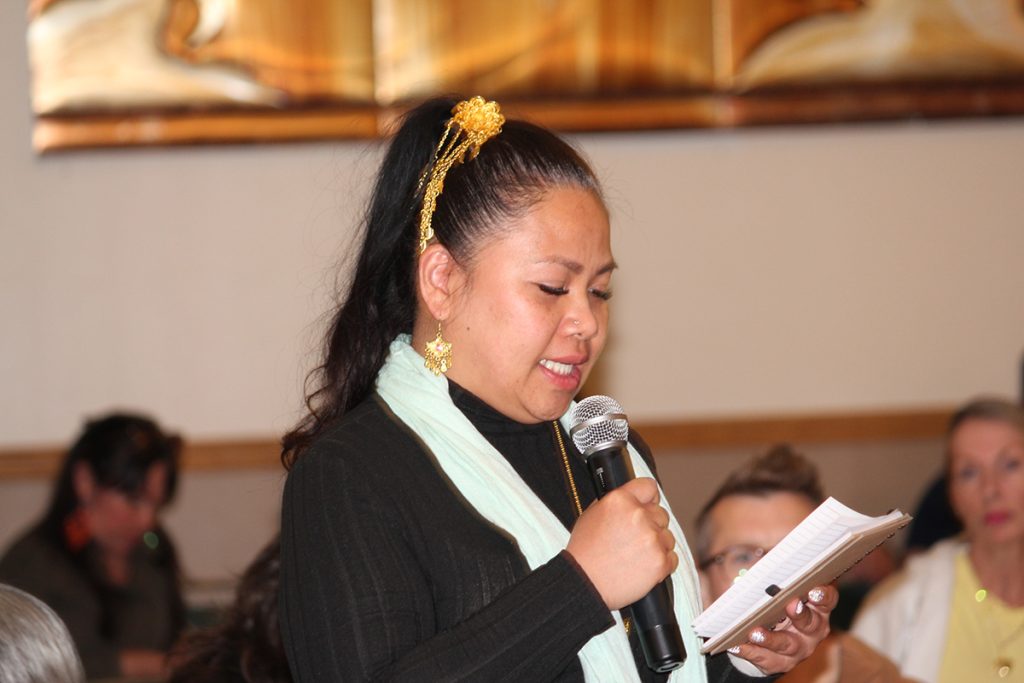
Channa Bun, small business owner, Channa Inc. (Photo by James Tabafunda)
“The short answer is, I don’t justify it,” he said. “We made a promise that we have not been able to deliver on, and I think we should be held accountable for that so I encourage you to speak up. I think budget proposals reflect our values, and our values should be true to the word that we believe. We asked people to vote on this. I’ll take my position on the board now, vote on this, and vote for it.”
“When they voted for it, I don’t need a third vote to happen. These stations need to happen.”
Tukwila Mayor Tom McLeod, who also sits on the Sound Transit Board and chairs its Finance and Audit Committee, said the current proposal fails the region’s stated values.
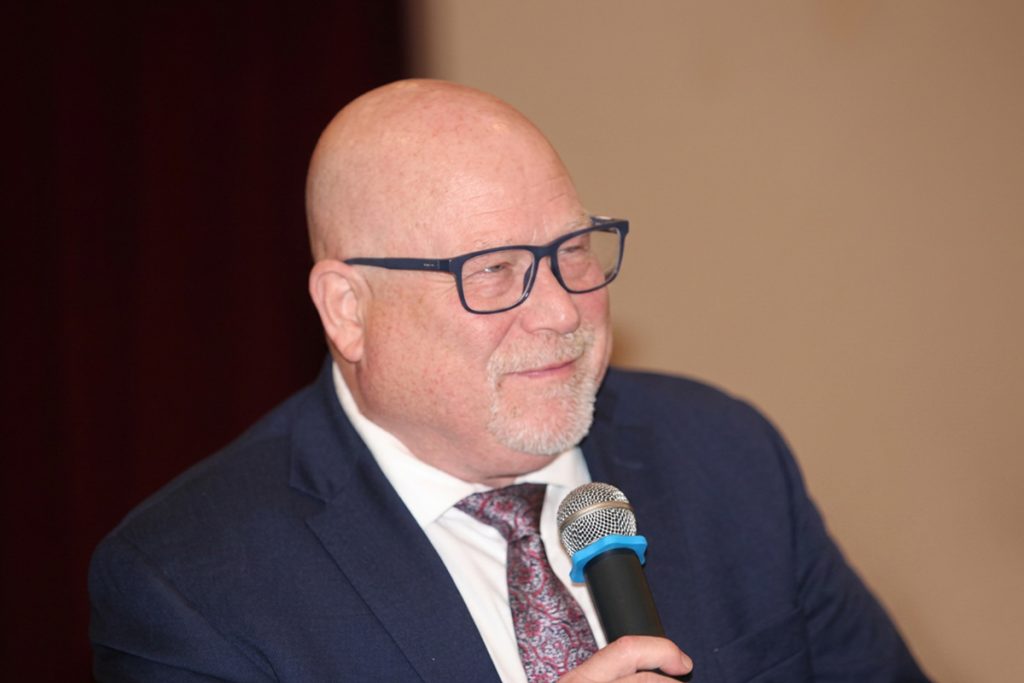
“I have a hard time voting on something twice and still having to fight for it,” he said. “Budgets and proposals should reflect our values. And I don’t think this one reflects enough of who we are and who we want to be. Boeing Access Road and Graham Street should have been one-A and one-B on the prioritization list. You have my support, you have my voice, and I’ll do all I can to make it happen.”
The Sound Transit Board is expected to vote on its final realignment plan on May 28.
For information on the Graham Street Station Project petition, go to https://actionnetwork.org/petitions/save-the-graham-street-station.