



By Nia Wong
NORTHWEST ASIAN WEEKLY
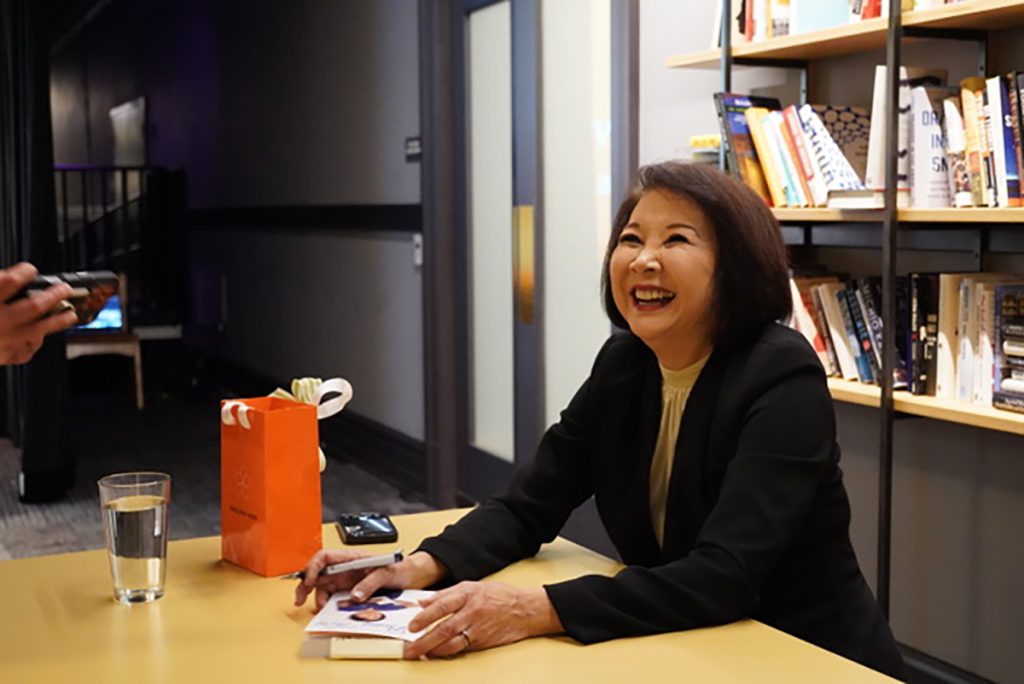
Lori Matsukawa (Photo by Nia Wong)
SEATTLE, Wash. – Looking back at one’s own life isn’t necessarily for the faint of heart, let alone trying to step inside the mind of your teenage years. But for veteran newscaster Lori Matsukawa, it’s during this vulnerable, yet pivotal period where she landed her big break at 17 years old.
“I was looking around for money for college, and a friend of mine said, ‘Hey, if you enter this Teenage America Pageant, you could win a college scholarship, plus they don’t have a bathing suit competition, so you might even have a chance,’” said Matsukawa.
That encouragement came in 1974 when Matsukawa was in her senior year of high school, and not unlike many teenage girls, a little unsure of herself.
“I was the ugly duckling, the kid with glasses and braces and no boyfriend,” said Matsukawa.
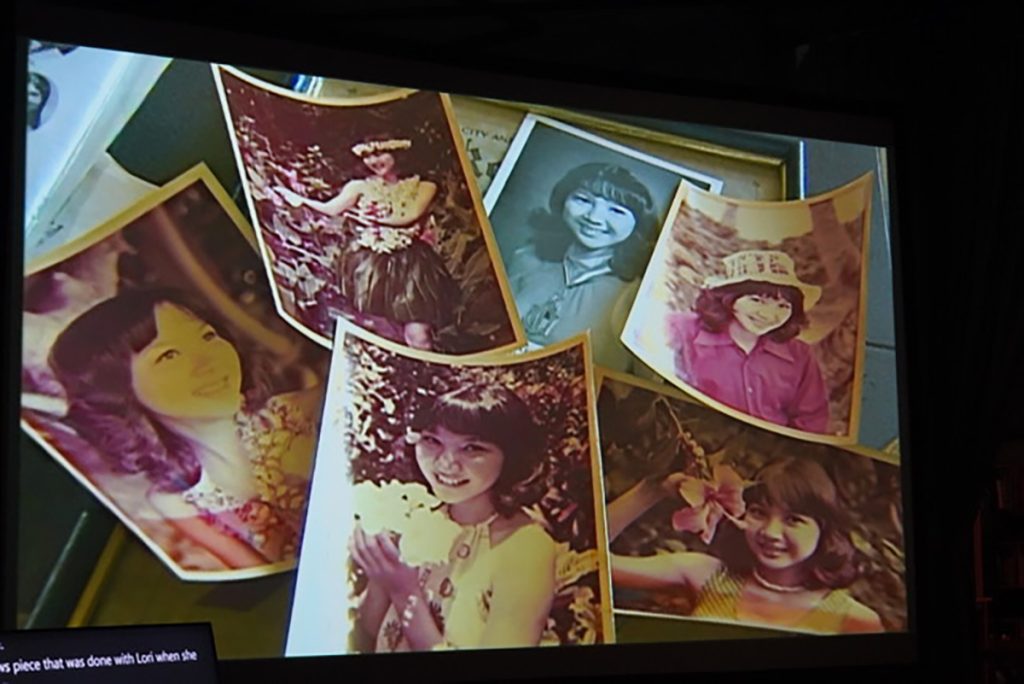
Photo by Nia Wong
While the public school kid from Aiea, Hawaii was well aware she didn’t have blonde hair and blue eyes like the pageant’s previous winners, she secured a spot in the beauty pageant. Despite slightly stumbling a Maori poi ball performance, she still advanced to the final stage until ultimately being crowned the winner of a contest she entered on a whim, marking the first of countless appearances on live television.
“So who would have thought that all the things that happened in my life would lead up to this moment,” said Matsukawa. “I’m astonished at everything that happened.”
Matsukawa’s beauty pageant days is one of several, life-changing memories Matsukawa shared with an intimate gathering at The Wyncote NW Forum this month. The now retired award-winning journalist graced television screens across western Washington for decades, 36 of those years at KING 5, where her warmth and delivery established her as a trusted household name for local viewers.
Though she signed off from the anchor desk in 2019, she’s still not done as a storyteller and is telling her own story in “Being There: Memoir of an Asian American Journalist.”
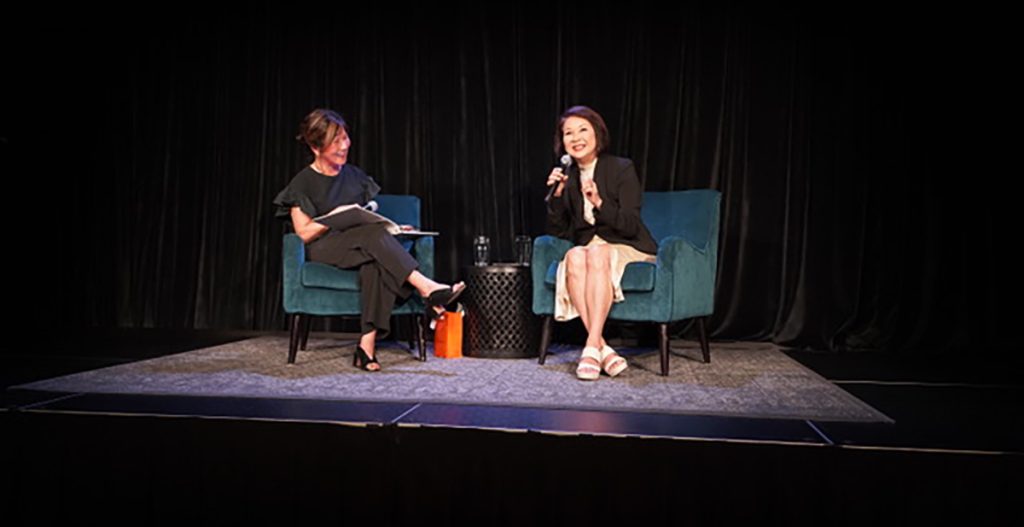
Photo by Nia Wong
In Matsukawa’s latest work, she hits the rewind button of her life and lays out the highlights on paper, revealing her early days growing up in Hawaii to the inspirations, historic events, and ups and downs that have shaped her today.
“We have been through the Civil Rights Movement, the women’s rights movement, the anti-war movement, you name it. We have been a generation moving through a very important time, and we deserve to tell this story as best as we can. So I can only tell this story through my eyes, what I saw, felt and thought, but it really is our story,” said Matsukawa.
In only a few hundred pages, Matsukawa takes readers to a time when newsrooms operated before computers and shares the grace and grit she had to rally within herself in order to navigate the news business in an era of few women and BIPOC journalists.
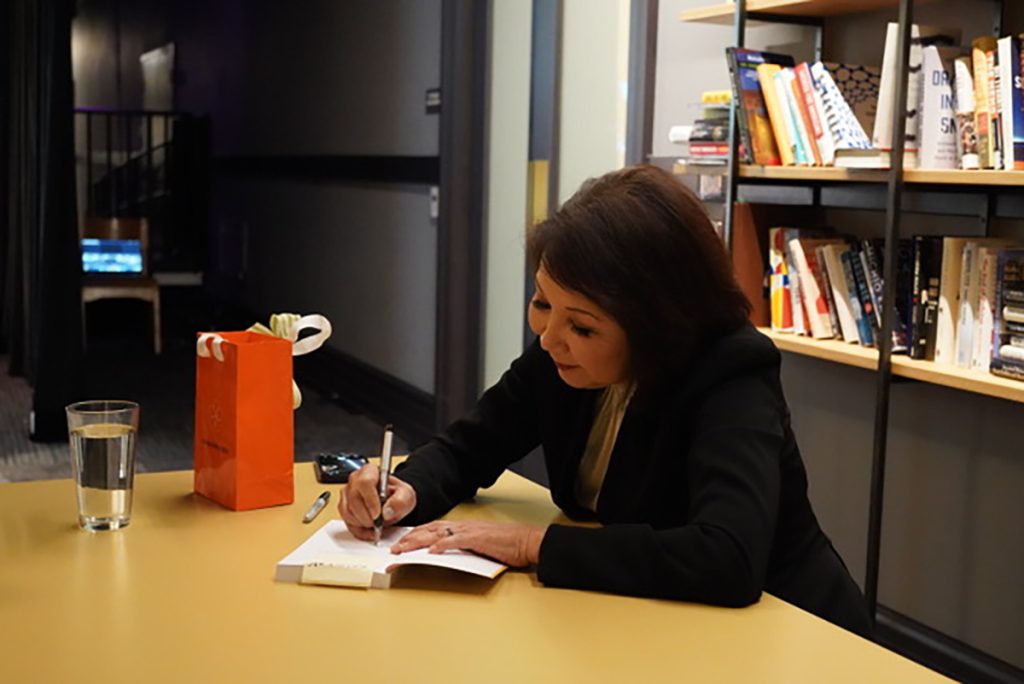
Photo by Nia Wong
“I did kind of try to be the good Japanese girl and not cause trouble and not make waves and I thought by being nice and by being, you know, pleasant and good, it would get me far in journalism, but in this business, you really have to be aggressive and you have to toot your own horn,” said Matsukawa.
While Matsukawa’s career is seen as a dream for many who enter the TV news industry, it’s an accomplishment very few broadcasters achieve. Yet this comes as no surprise to her former KING 5 colleagues.
“I got to tell you, that newsroom was all white when I started, when I started in the late 1960s, early 1970s, and that changed over time. It took people like Lori to begin to make that happen,” said Mike James, former KING 5 co-anchor. “I’ve always admired her work, so what I remember is that not only was she a great anchor, she was a terrific reporter.”
Matsukawa’s longevity in local news may be impressive, but it’s her impact that has left a lasting impression on journalists across the country, as well as to viewers like Lynda Joko.
“I was just going to thank her for doing this series that she did on the Japanese American incarceration because it’s not only really powerful, it’s also history that has not always been told,” said Joko. “For descendants like myself, it’s part of our healing process, and it also pays respect to the survivors, my parents.”
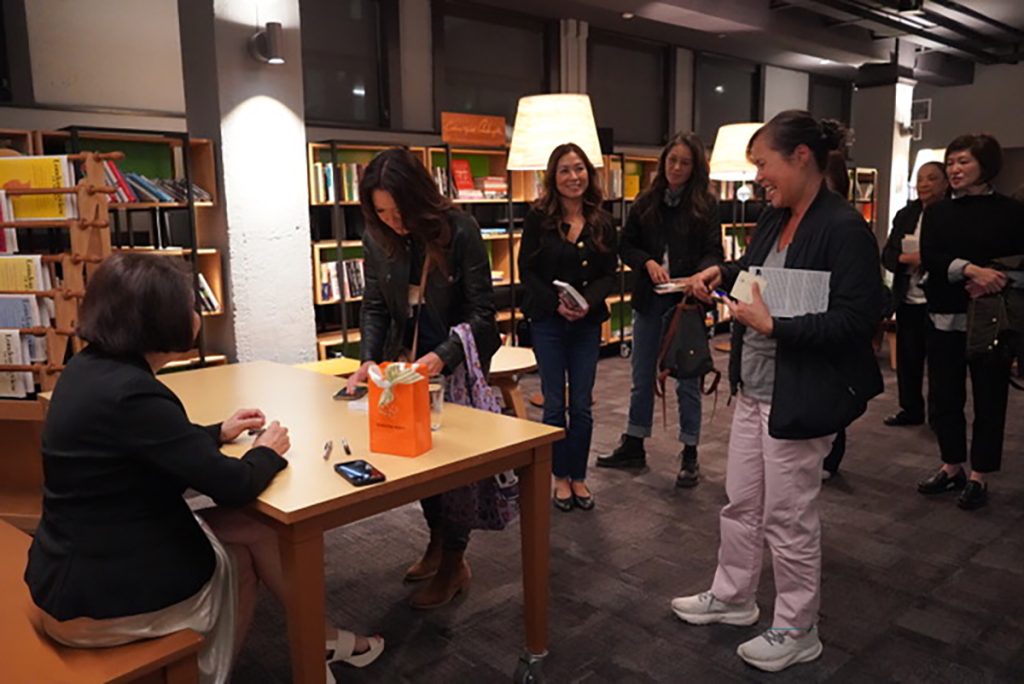
Photo by Nia Wong
Through her memoir, Matsukawa wants her experiences to remind young women they are not alone and to inspire current and future journalists in a rapidly evolving field.
“I hope that they will continue to be truth tellers. We need this for the state, to keep our country balanced, our democracy safe, our democracy protected. We need an informed public, and I’m hoping that they will, through media, keep people engaged,” said Matsukawa.
“Being There: Memoir of an Asian American Journalist” is now available through Chin Music Press.