


By Nina Huang
NORTHWEST ASIAN WEEKLY
When Seattle began reopening after the height of the pandemic, many hoped small businesses would finally have a chance to recover. But new survey findings from the Intentionalist, founded by Laura Clise, tells a more sobering story: For many small businesses—particularly those owned by people of color—conditions are worse now than they were before COVID-19.
Interviews with three Asian American Pacific Islander (AAPI) business owners across Seattle reveal rising costs that far outpace sales growth, the disappearance of pandemic-era support, and ongoing safety concerns that continue to suppress foot traffic. Together, these pressures have pushed once-stable businesses into a constant state of survival.
Growth on paper, losses in reality
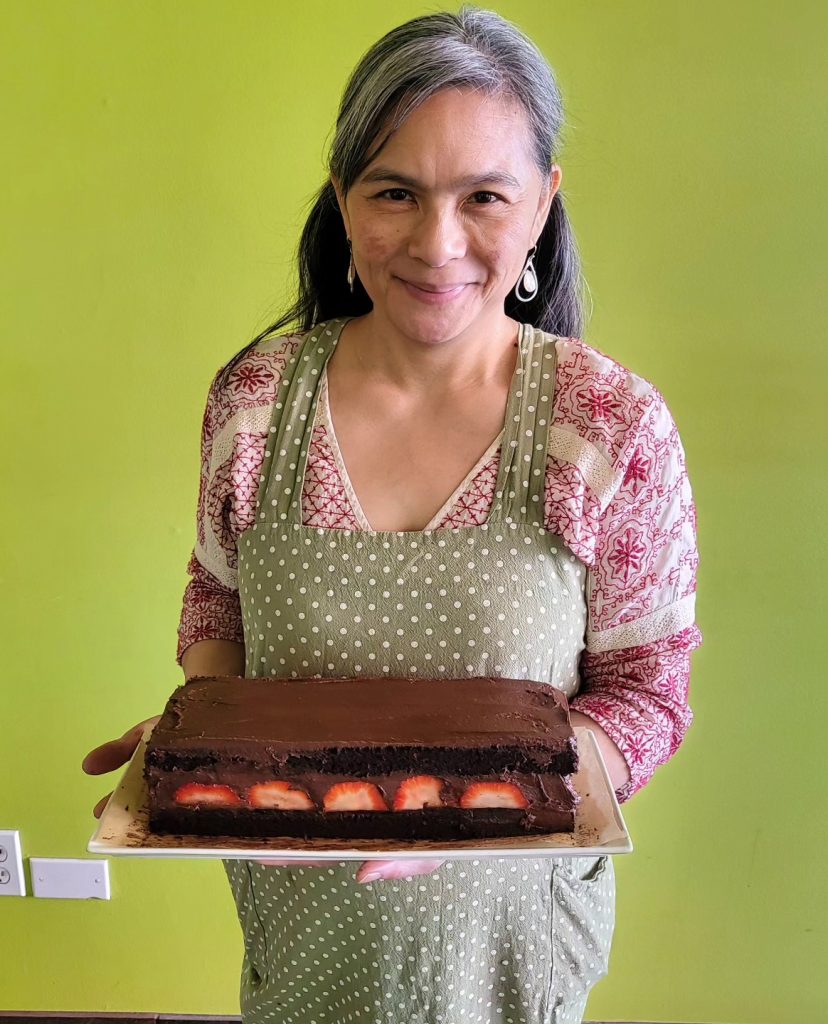 In Belltown, Estela Martinez runs Askatu Bakery, a dedicated allergen-free bakery that serves customers with some of the most complex dietary restrictions. On the surface, her business appears to be growing. Sales have increased year over year since the pandemic, driven by greater visibility and a loyal customer base that includes both locals and tourists.
But Martinez said these gains are misleading. Her bakery operates in a niche category that already comes with higher costs, and global price increases have hit her especially hard.
Specialty ingredients sourced from abroad now cost dramatically more—not just because of inflation, but because of shipping fees, duties, and tariffs that can exceed the cost of the product itself. Core ingredients like organic chocolate, gluten-free flours, and imported grains have more than doubled or tripled in price since Martinez opened her business in late 2019.
“I don’t want to have to compromise in quality, but I also can’t endanger my customers,” she said.
Rent has also steadily increased, with little relief even during the pandemic years. At the same time, downtown safety issues have directly affected her business. Break-ins, loitering, and visible drug activity outside her storefront have discouraged customers from entering, yet the damage from repeated incidents often falls below insurance deductibles, forcing Martinez to pay for repair costs out of her own pocket.
Despite operating at a loss and never taking a paycheck, Martinez perseveres. Her motivation is deeply personal. As a mother of four, including a daughter with more than 25 food allergies, she opened the bakery to fill a gap that didn’t exist when her family needed it most.
Her daughter, now an adult, helps her out at the bakery from time to time, and was also the main cake decorator during the pandemic.
Martinez said that the thought of closing her business crosses her mind every day. But then someone will go into her bakery and say, “Thank you so much, I’ve been looking everywhere for something I can eat and not be worried.” Hearing that motivates her to keep going.
“I’m literally the only bakery in the state that meets all of the needs who have multiple allergens in a dedicated facility,” she said. “I view it as a public service because I’m not making any money out of it.”
Still, the future is uncertain. Without access to grants or affordable loans to move into a safer, more functional space, Martinez said closing her store may become unavoidable.
Perception, safety, and the Chinatown–International District
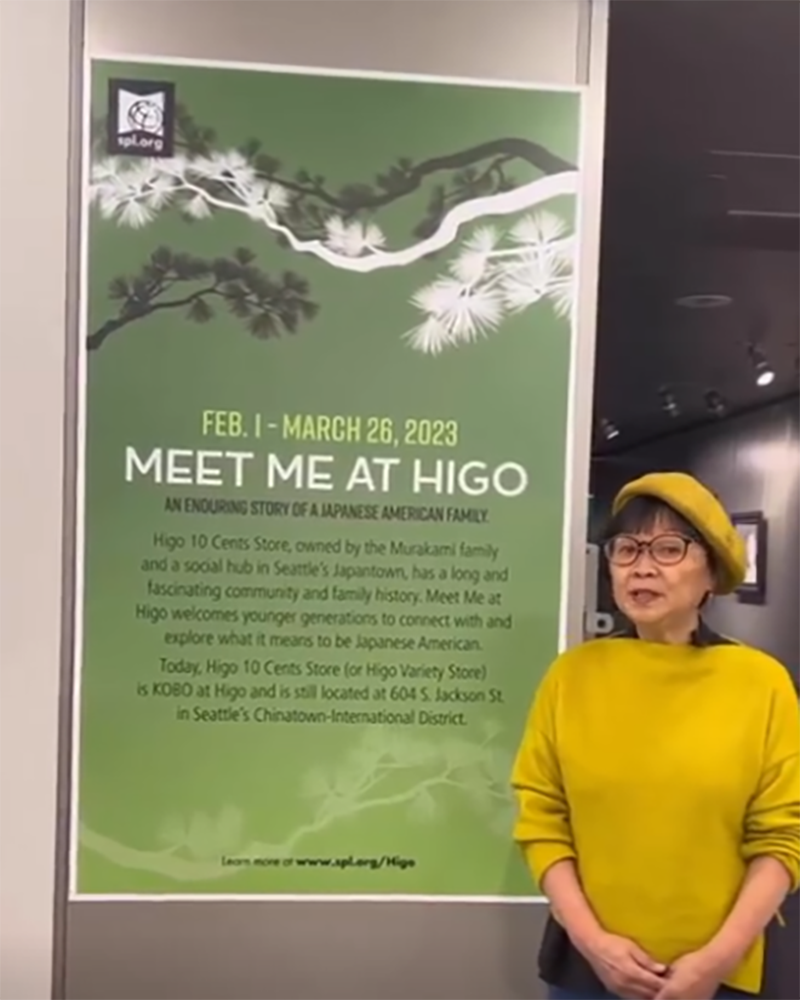 For Binko Chiong-Bisbee, a longtime owner of Japanese and Northwest artisan shop KOBO Seattle, with locations in both the Chinatown–International District (CID) and Capitol Hill, the contrast between neighborhoods is stark.
Before the pandemic, her CID location benefited from steady foot traffic and a vibrant street life. But the intervening years have brought with them the perception of danger to the neighborhood, often leading customers to steer clear of the CID.
As a result, sales in the area have shrunk, forcing Chiong-Bisbee to likewise shrink her CID storefront’s open days and hours.
Meanwhile, Chiong-Bisbee’s smaller Capitol Hill location, in the heart of a dense residential area, remains comparatively busy despite its own challenges with crime and graffiti.
Visitors to her Capitol Hill store ask her whether it is safe to go to the CID, and many choose not to go at all. To Bisbee, this is devastating to hear.
“I’ve never seen the CID as bad as it is today,” she remarked. “We as a community can’t normalize bad things that are happening in the community.”
Chiong-Bisbee points to ongoing issues around 12th and Jackson as emblematic of the City’s larger failure to address public safety in the neighborhood. While she acknowledges recent efforts such as the ambassador program, she says the lack of visible, lasting improvement has left many business owners feeling demoralized. More than anything, she worries about normalization—that shootings, stabbings, and disorder become accepted as the cost of doing business in the CID.
“We as a community need to demand more and not just sit back and wait for city leaders to decide for us,” she said. “I don’t know how this can happen, but I wish there were more leaders in the community to step up and come up with solutions.”
She laments the days when community leaders like Bob Santos would say, “This is what we need to do.”
For a district with deep cultural and historical significance, particularly for Japanese American and other Asian American communities, the stakes feel existential. Without meaningful intervention, Bisbee fears more businesses will quietly disappear.
When support disappears but costs don’t
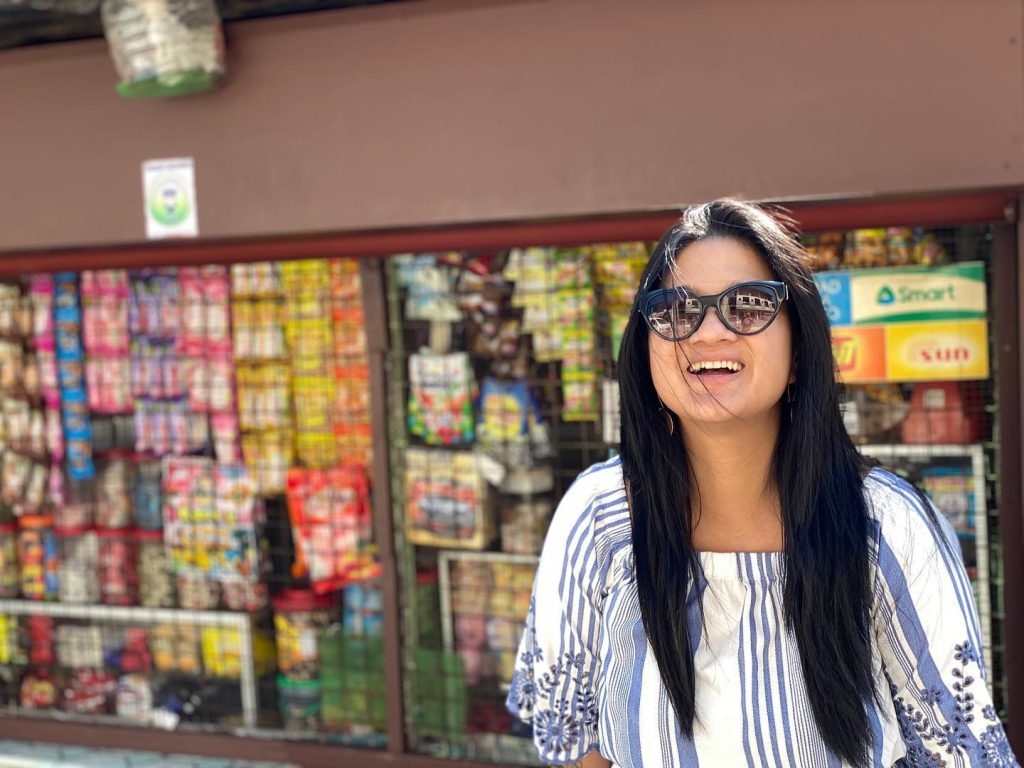 Hood Famous Bakeshop co-owner Chera Amlag traces her business’ roots back to a single ube cheesecake sold at pop-ups in 2013.
Over time, that dessert became the foundation for a growing operation that included wholesaling, a Ballard kitchen, and eventually a Chinatown café and bar designed as a gathering space for community.
The pandemic hit just as that vision was coming into focus. The shutdown of indoor dining cut revenue in half almost overnight.
In response, Amlag and her team adapted quickly, pivoting to wholesale, launching consignment retail, delivering meals to frontline workers, and participating in community kitchen efforts. Pandemic relief funds and mutual aid made it possible to keep staff employed and continue operating during the worst years.
During the pandemic, Amlag took a full-time job for the City of Seattle, while running Hood Famous Bakeshop, in order to retain her staff.
But by 2022, much of that support vanished. Bakery foot traffic never fully returned to pre-pandemic levels, even as rent, labor, insurance, and ingredient costs continued to climb.
Last year, this increasing imbalance came to a head, tipping over into unsustainable. Hood Famous made the difficult decision to cut its savory food offerings, lay off half its staff, and scale back to a leaner operation. Amlag herself has been working nearly every day to keep the business going.
Now, the focus is on survival and reinvention. Amlag is transitioning the space into an event venue to create a new revenue stream while staying true to the original mission of fostering connection and community.
“We always saw it as a vessel to provide jobs and so much of it felt like we just started,” she said. “We still have more to give.”
A fragile ecosystem
For these business owners, pandemic recovery has been uneven, fragile, and, for many, illusory. Their experiences reflect the experience of many, underscoring the Intentionalist’s survey’s findings. These aren’t just numbers—they are people and livelihoods. While large corporations benefit from scale, capital, and policy support, small businesses—especially those rooted in culture, care, and community—are left to navigate rising costs on their own with few-to-no safety nets.
As Martinez warns, the consequences extend beyond individual storefronts. Without meaningful support for small businesses, Seattle risks losing the very places that give its neighborhoods character and soul, replacing them with massive corporate chains that can afford the rising rents, but not replicate the community they leave behind.
“I think what we’re seeing now is just the impact and effects of the fragility of the entire system altogether—a lot of folks know the restaurant industry has thin margins, which makes it already a broken system,” Amlag said. “All of that put together is what we’re seeing right in front of us in terms of restaurants shutting down left and right. Folks are really struggling.”
For now, these owners continue to show up, unlock their doors, and serve their customers. They hope the system doesn’t break before they do.
Nina can be reached at newstips@nwasianweekly.com.