





The Smithsonian’s National Museum of Asian Art announced plans to return three historic South Indian bronze sculptures to the Government of India after provenance research confirmed they were illegally removed from temple sites. One of the sculptures will remain on long-term loan at the museum.
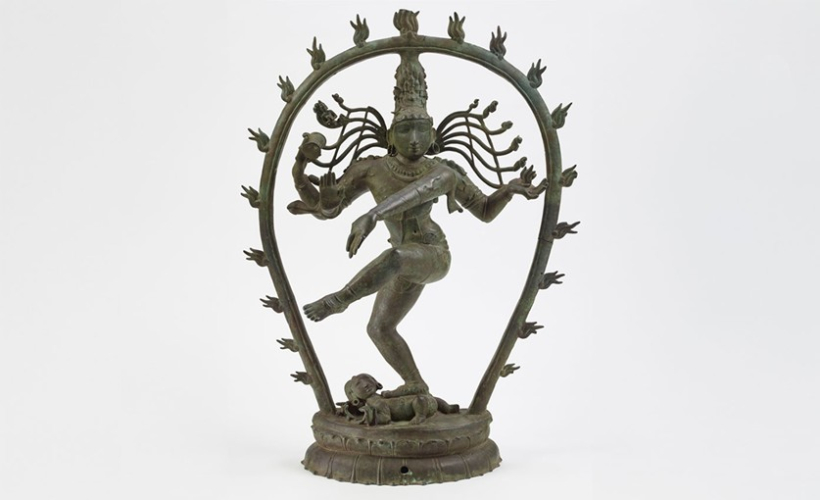
Image Credit: Shiva Nataraja (Lord of Dance); India, Tamil Nadu state, Chola dynasty, ca. 990; bronze; On loan from the Government of India; photo by National Museum of Asian Art, Smithsonian Institution
The works—Shiva Nataraja, Somaskanda, and Saint Sundarar with Paravai—were originally sacred objects used in temple processions in Tamil Nadu. The Shiva Nataraja will continue to be displayed at the museum as part of the exhibition The Art of Knowing in South Asia, Southeast Asia, and the Himalayas, accompanied by interpretation detailing its history, removal, and return.
“The return of these sculptures, the result of rigorous research, shows our commitment to ethical museum practice,” said Chase F. Robinson, the museum’s director. “We are profoundly appreciative to the Indian government for enabling us to continue exhibiting the long-admired Shiva Nataraja for the benefit of our visitors.”
The museum and the Embassy of India are finalizing arrangements to formally mark the agreement.