



By Jason Cruz
NORTHWEST ASIAN WEEKLY
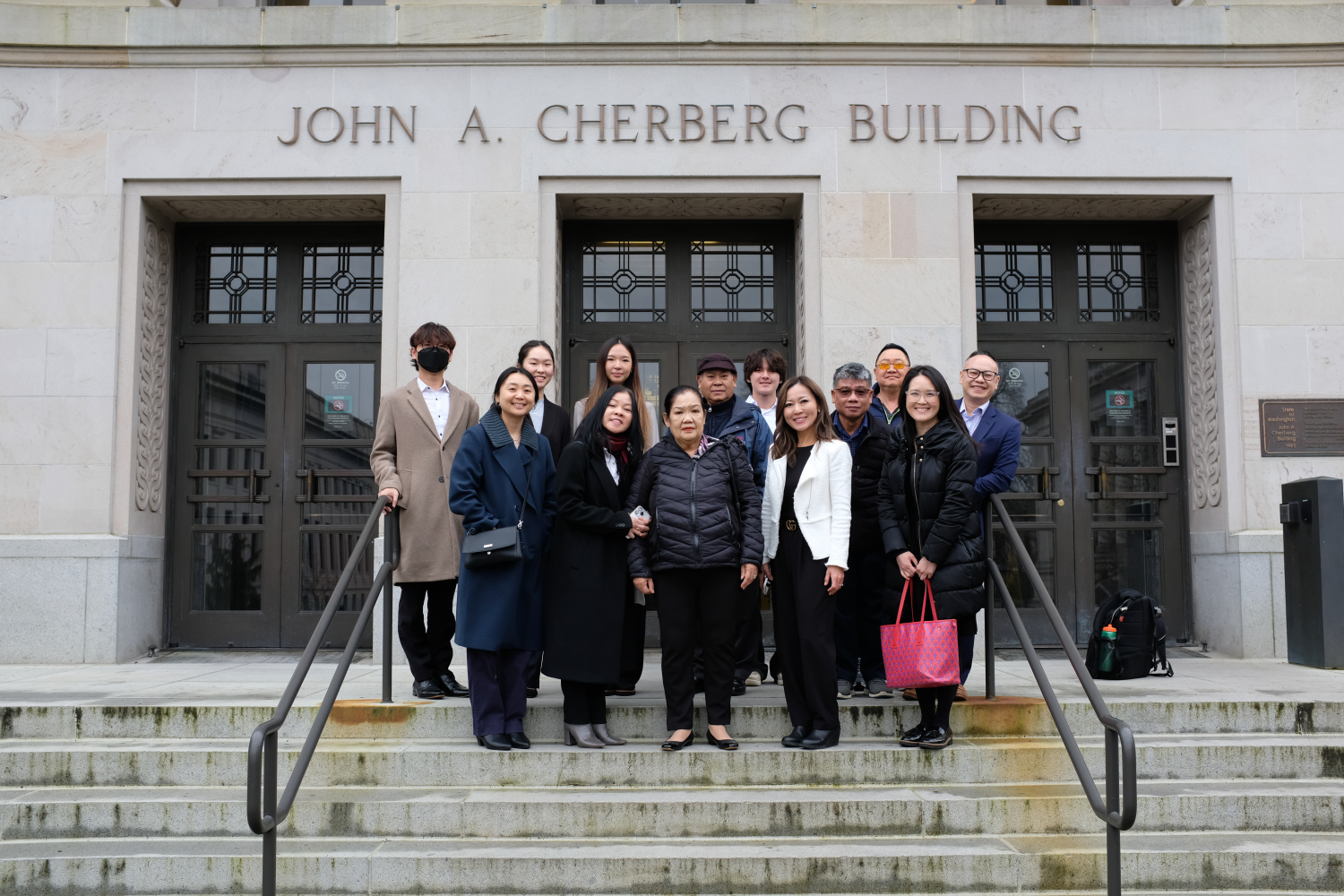
A push for more comprehensive representation in the history that is taught in schools is moving forward. The Senate Early Learning & K-12 Education Committee met in Executive Session on Tuesday morning and voted unanimously to adopt the proposed substitute bill for SB 5574, and to pass the bill out of the committee.
The bill acknowledges the social studies standards revision process underway, which the Office of Superintendent of Public Instruction (OSPI) expects to complete by 2028. Once that’s done, school districts will need to adopt policy consistent with those revised standards and to include Asian American and Native Hawaiian/Pacific Islander, Latino American, and Black American history in one or more social studies courses during their regular curriculum review cycle. Beginning in the 2029-2030 school year, schools will provide instruction consistent with its policies in grades K-12, particularly around U.S. and Washington state history.
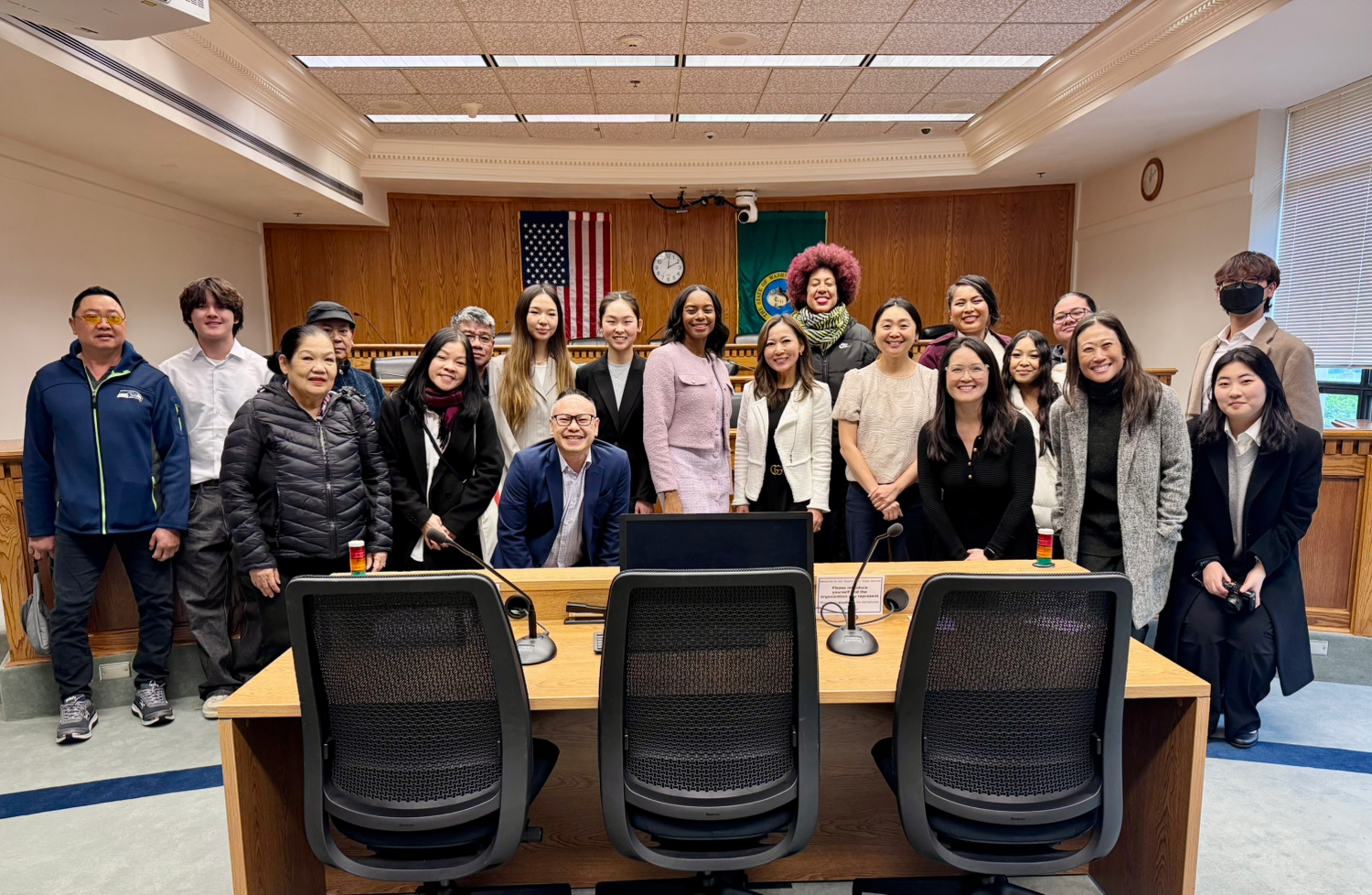
“This bill helps ensure students learn a more complete and accurate account of the communities and experiences that have shaped Washington and our country,” said the bill’s sponsor, state Sen. T’wina Nobles. “We are seeing troubling rises in hate and harassment and bullying, especially toward young people. This is driven by misinformation and harmful stereotypes,” she added, “When students are denied a full and honest understanding of our shared history, it creates bias and division to grow.”
Many of the speakers at a Jan. 14 public hearing supported the revised bill.
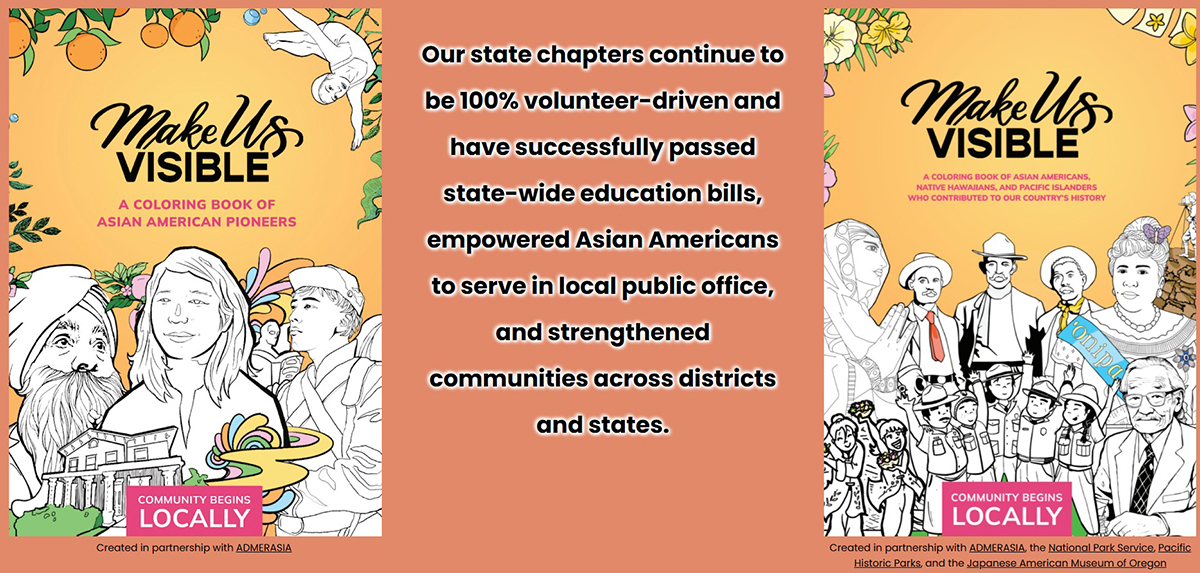
“Over 36% of Washington residents identify in these communities,” said Angelie Chong, director of Make Us Visible Washington (MUV WA). “Yet our students rarely see these stories reflected in the history that they learned.”
“It does not create a new course, curriculum, or graduation requirement,” explained Chong. “Credible, free resources already exist. Our educators simply need support.”
“Growing up, I never saw Asian American history. I thought my family was foreign,” said Devon Chong, a high school student from Bellevue. “In elementary school, my name, Chong, was a running joke. And obviously, you couldn’t blame the people making the jokes, they were just kids.”
“The only thing you could blame here is the lack of education,” said Devin. He explained that in his U.S. history class in high school, they do not cover the incarceration of Japanese Americans during World War II.
Another high school student, Mindy Dong, from the Seattle Academy of Arts and Sciences, spoke at the hearing in favor of the bill. Dong emigrated from China and spoke of the alienation she feels as an Asian person.
“Everytime I walked into a classroom, I was expected to be someone else.” She noticed subtle microaggressions at school, including being surprised that she received less than an A or being asked to help fellow students in math. “It (SB5574) will ensure that education is comprehensive and American history is not complete without the inclusion of the minority communities.”
A middle school teacher from Tacoma, Filma Fontanilla, testified to support the legislation.
“It is important for our students to learn and understand the histories and contributions of various racial and ethnic groups in our country.” She added, “I teach in a racially and multilingual diverse student population. I know how meaningful and important it is to our students when they can identify with the content.”
Another educator, Ping Ping, testified in favor of the bill. A sociology instructor at Spokane Falls Community College, she told the story of receiving a racially motivated threat from a student in the spring of 2023, which was directed at her due to her Chinese ancestry.
“I was scared to go to teach in a classroom since then.”
“We cannot change students’ family upbringing, but we can change K-12 education, reflecting the rich and diverse truth of history.”
During the hearing, one speaker expressed opposition to the bill. In her phone testimony, she said, “You need to stop thinking about yourselves all the time…Please stop crying about your internment camps and your hate crimes and this and that.”
The speaker’s views appeared to target Black, Latino, and Asian groups.
 If the vote on Tuesday, Jan. 20 is successful, the bill will move out of committee onto the floor of the state Senate.
Jason Cruz can be reached at newstips@nwasianweekly.com.